
Dental Crowns and Bridges at Mary St Dental
At Mary St Dental in Gympie, we provide dental crowns and bridges for patients with damaged, weakened or missing teeth.
Crowns and bridges are custom-made restorations that may help repair damaged tooth structure, replace missing teeth and support oral function, depending on individual clinical circumstances. Our dentists assess the condition of your teeth, gums and bite before discussing suitable restorative options. Crown and bridge treatment can involve irreversible preparation of natural teeth and carries potential risks and limitations. Your dentist will explain the available options, including their benefits, maintenance requirements, alternatives and costs, before proceeding.
What Are Crowns and Bridges — and Who May Need Them?
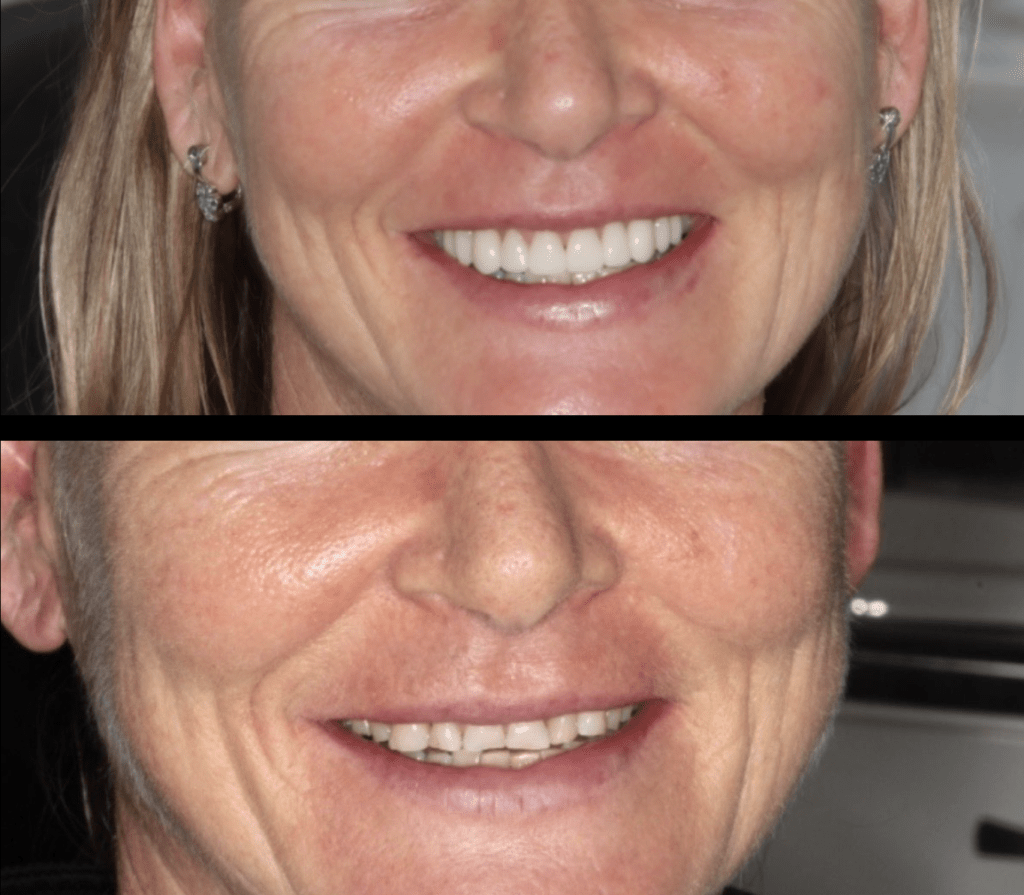
Dental crowns and bridges are restorations used to address different dental concerns. Dental Crowns A dental crown is a custom-made restoration that covers the visible portion of a prepared tooth. Crowns may be considered for teeth affected by extensive decay, fractures, significant wear or large deteriorating fillings. They may also be recommended following certain root canal treatments or as restorations attached to dental implants. Not every damaged tooth requires a crown. In some circumstances, a filling, onlay or another approach may be appropriate. Dental Bridges A dental bridge replaces one or more missing teeth using an artificial tooth, known as a pontic, supported by neighbouring teeth or dental implants. A conventional tooth-supported bridge generally requires preparation of adjacent teeth to support the restoration. This involves removing natural tooth structure and is usually irreversible. Dental bridges may help address certain chewing or functional concerns associated with missing teeth. However, the outcome depends on factors including the condition of supporting teeth, bite forces and oral health. Alternative treatments may include dental implants, removable dentures or leaving a space untreated where clinically appropriate. Your dentist will discuss which options may be suitable following an examination.
How Do Crown and Bridge Treatments Work?
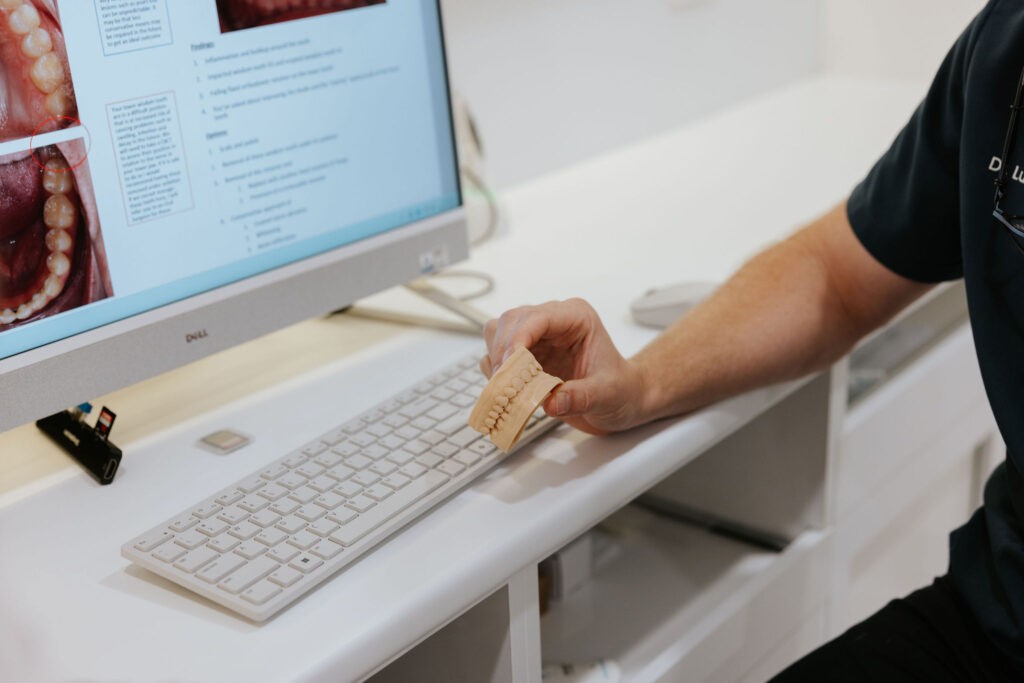
Treatment begins with a dental assessment of the teeth, gums, remaining tooth structure and bite. Dental X-rays, photographs or digital scans may be recommended where clinically indicated. For a crown, your dentist prepares the tooth by removing decay or damaged material and reshaping it to accommodate the restoration. For a conventional dental bridge, neighbouring teeth are generally prepared to support crowns or retainers connected to the replacement tooth. Digital scans or conventional impressions are used to assist with designing and manufacturing the restoration. Crowns and bridges may be manufactured using ceramic, zirconia, metal alloys or combinations of materials. Some restorations may be manufactured using digital technology, while others require laboratory fabrication. Before fitting, the restoration is assessed for fit, contact with neighbouring teeth, bite and appearance. Adjustments or additional appointments may be necessary.
What Can I Expect from Crown and Bridge Treatment?
The number of appointments depends on the restoration and individual treatment requirements. Some treatments involve preparing the teeth during an initial appointment and fitting the restoration at a later visit. Temporary restorations may be used while the final crown or bridge is manufactured. Local anaesthesia is commonly used during tooth preparation to help manage discomfort. Some patients experience sensitivity, tenderness or gum irritation during or after treatment. Other potential complications include:
- Irreversible removal of natural tooth structure.
- Persistent tooth sensitivity or discomfort.
- Changes to the bite requiring adjustment.
- Crown or bridge loosening, fracture or wear.
- Tooth decay developing around restoration margins.
- Gum inflammation or difficulty cleaning around a bridge.
- Possible need for root canal treatment or additional restorative care.
- Failure of a supporting tooth or restoration, potentially requiring replacement or another treatment.
Crowns and bridges are not guaranteed to remain functional indefinitely. Their longevity varies between patients. Your dentist will discuss relevant risks and alternatives before treatment.

Choosing the Right Crown or Bridge Material
The appropriate restorative material depends on the location of the teeth, remaining tooth structure, bite forces, available space and individual requirements.
Zirconia Restorations
Zirconia is a ceramic material used for certain crowns and bridges. It has mechanical properties that may make it suitable for particular restorative applications. Suitability depends on the clinical circumstances and restoration design.
Glass Ceramic Restorations
Glass ceramic materials are used for selected tooth-coloured crowns and restorations. They have particular optical and physical characteristics that may be relevant when considering the appearance and function of a restoration. Not every material is suitable for every tooth or bridge design. Mary St Dental works with dental laboratory providers, including a Sunshine Coast-based dental ceramist, for selected restorations. Your dentist will explain the material options available and their respective benefits and limitations.
Aftercare and Maintenance
Dental crowns and bridges require ongoing oral hygiene and dental assessment. Brushing, cleaning between the teeth and appropriate dental reviews are important. Patients with conventional bridges may need specialised cleaning aids to remove plaque and food debris beneath the replacement tooth. Restorations can experience wear, fracture, loosening or deterioration over time, and some may require repair or replacement. Your dental team will explain the maintenance requirements relevant to your restoration.
Frequently Asked Questions About Crowns & Bridges
The longevity of crowns and bridges varies according to the materials used, condition of supporting teeth, oral hygiene, bite forces and other individual factors. Some restorations remain functional for many years, while others may require repair or replacement earlier. Ongoing maintenance and dental assessments are important.
Local anaesthesia is commonly used during tooth preparation to help manage discomfort. Some patients may experience temporary sensitivity, tenderness or gum irritation following treatment. The degree and duration of discomfort vary between individuals. Further assessment may be required if symptoms persist.
Tooth-coloured restorations can be designed with consideration of the shape, size and colour of surrounding teeth. However, the final appearance depends on the material, condition of the underlying teeth and individual circumstances. An exact colour match or particular aesthetic result cannot be guaranteed.
Crowns and bridges require regular brushing, interdental cleaning and dental reviews. Cleaning beneath a dental bridge is particularly important because plaque and food debris may accumulate around the supporting teeth and artificial replacement tooth. Your dental team can demonstrate suitable cleaning methods and recommend appropriate cleaning aids.
Crown and bridge treatment is planned according to the proposed materials, supporting teeth and individual clinical requirements. Additional treatment, diagnostic imaging, temporary restorations, root canal treatment or other procedures may involve separate fees where not included in an individual quotation. Dental bridge costs vary according to the number of replacement teeth, supporting teeth, materials and treatment complexity. Following assessment, your dentist can provide a written treatment plan and quotation explaining the proposed procedures, inclusions and possible additional costs. Payment arrangements may be available, subject to applicable eligibility requirements and terms.
Discuss Dental Crowns and Bridges at Mary St Dental Gympie
If you have a damaged tooth, a deteriorating restoration or one or more missing teeth, Mary St Dental can provide a dental assessment and discuss possible treatment options. Our Gympie practice welcomes patients from Southside, Monkland, Curra, Glastonbury and surrounding communities. An appointment provides an opportunity to understand whether a crown, bridge, filling, dental implant, removable denture or another approach may be appropriate for your individual circumstances. Your dentist can explain the potential benefits, risks, limitations, alternatives and costs before you make a treatment decision. There is no obligation to proceed with crown or bridge treatment following an assessment.