
Dental Implant Treatment at Mary St Dental Gympie
Dental implants are an established treatment option for replacing one or more missing teeth. They involve surgically placing an implant into the jawbone to support a dental crown, bridge or other dental restoration.
Missing teeth can affect chewing, speech and the function of surrounding teeth. Dental implants may help address some of these concerns in suitable patients, although treatment outcomes vary.
At Mary St Dental in Gympie, we provide dental implant consultations, assessment, surgical placement and restorative treatment planning.
Our dentists assess your oral health, medical history, jawbone condition and individual circumstances before discussing whether implants may be appropriate.
Dental implant treatment involves surgery and carries potential complications. We explain the possible benefits, risks, limitations, alternatives and costs before recommending treatment.
Dental Implant Assessment and Treatment in Gympie
Mary St Dental provides dental implant assessment, treatment planning and restorative care for patients with missing teeth.
Depending on individual clinical circumstances, implant treatment may be considered for replacing a single tooth, several teeth or supporting certain dental prostheses.
Our dentists use clinical examination and diagnostic information to help determine whether implant treatment is suitable.
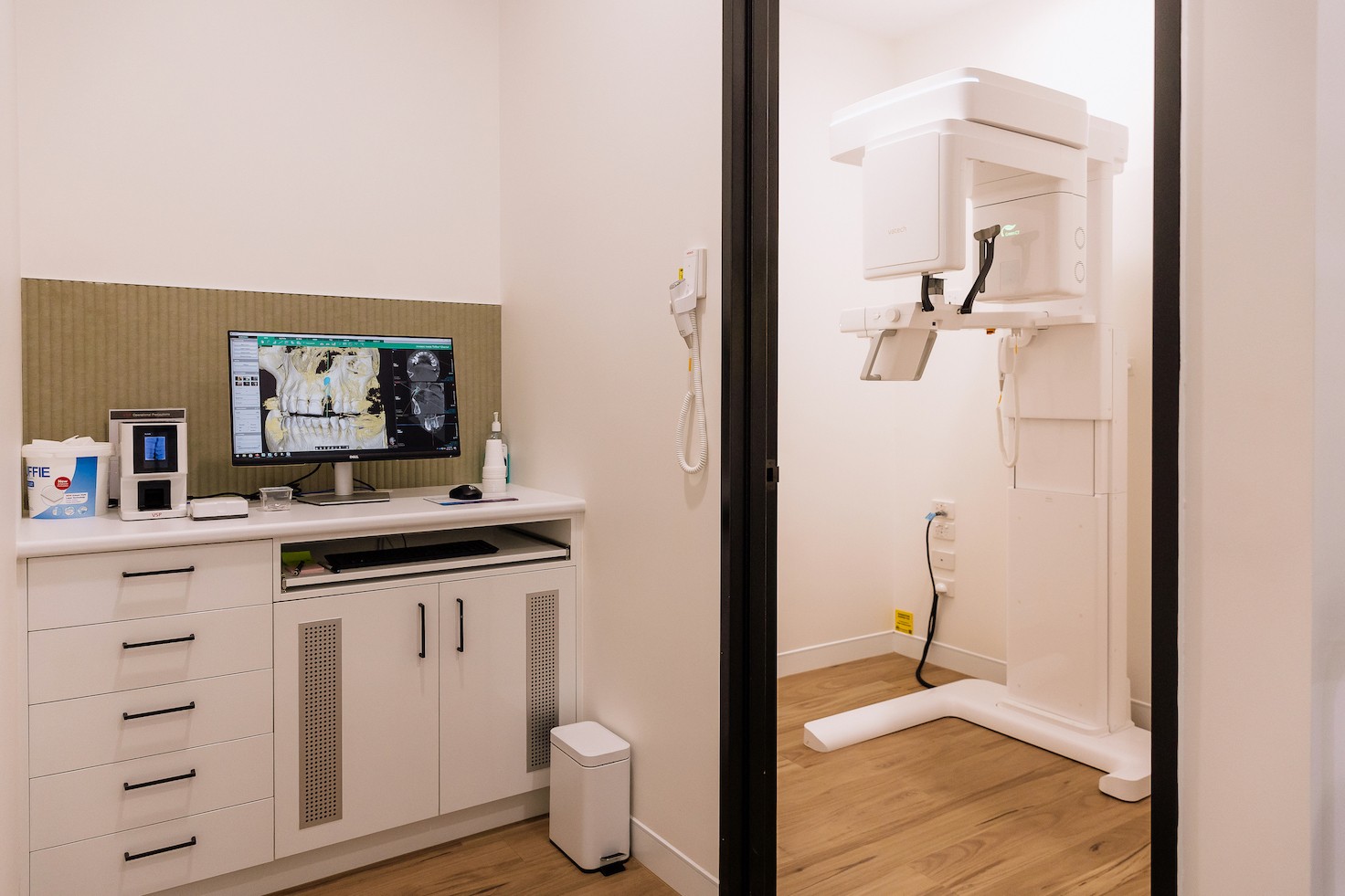
Where clinically indicated, digital intraoral scanning and 3D cone beam computed tomography (CBCT) imaging may assist with assessing jawbone anatomy, nearby structures and proposed implant positioning.
These technologies support treatment planning but do not eliminate surgical risks or guarantee a particular outcome.
Some patients may require additional treatment, including tooth extraction, gum disease management or bone grafting, before implant placement.
Immediate implant placement may be considered in selected cases, depending on the condition of the bone, surrounding tissues and other clinical factors.
Not all patients are suitable for immediate placement or restoration.

What Are Dental Implants?
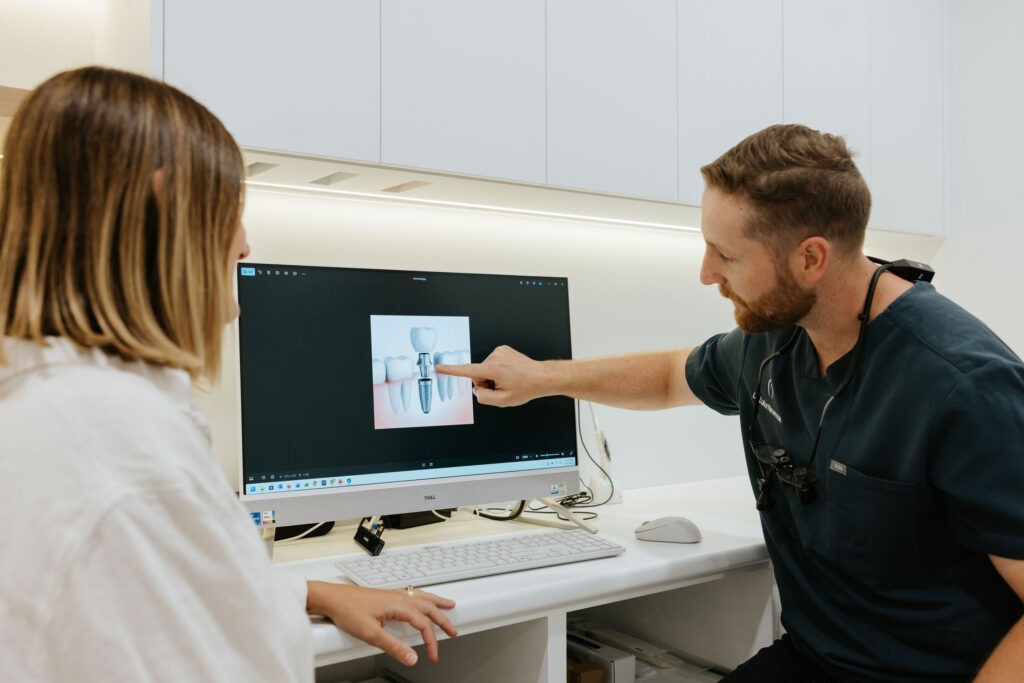
A dental implant is usually a titanium fixture surgically placed into the jawbone to provide support for a dental restoration.
Single-tooth implant treatment commonly involves three components:
- Dental Implant: The fixture placed into the jawbone.
- Abutment: The component connecting the implant to the restoration.
- Dental Crown: The visible replacement tooth, commonly made from ceramic or zirconia.
Implants may also be used to support bridges or certain types of dentures.
Following placement, a healing period is generally required while the surrounding bone integrates with the implant surface.
Healing times vary, and some implants do not integrate adequately or develop complications.
Your dentist will explain the proposed treatment stages and expected maintenance requirements.
Who May Be Suitable for Dental Implants?
Dental implants may be considered for adults who have lost one or more teeth and have suitable oral and general health.
Factors considered during an assessment may include:
- Gum health and the condition of remaining teeth.
- Available jawbone and surrounding anatomical structures.
- Medical history and medications.
- Smoking and other factors affecting healing.
- Existing periodontal disease.
- Bite relationships and chewing forces.
- Oral hygiene and ability to maintain implant restorations.
- Treatment preferences and available alternatives.
Not every patient is suitable for dental implant surgery.
Some patients require additional treatment before implants can be considered, while others may be better suited to a bridge, removable denture or another approach.

What Does Dental Implant Treatment Involve?
Implant treatment generally involves several stages, depending on individual clinical requirements.
1. Consultation and Assessment
Your dentist examines your oral health, discusses your medical history and considers possible tooth replacement options.
Dental imaging may be recommended where clinically justified.
2. Treatment Planning
If implant treatment is appropriate, your dentist explains the proposed procedure, available alternatives, estimated costs, expected healing and relevant risks.
Additional procedures may be required before implant placement.
3. Implant Placement
The implant is surgically placed into the jawbone. Local anaesthesia is commonly used, and other anaesthetic arrangements may be considered where appropriate.
Postoperative swelling, bruising and discomfort may occur.
4. Healing and Review
A healing period is generally allowed before the implant is restored.
Your dentist reviews healing and implant stability before proceeding.
5. Final Restoration
Where the implant is suitable for restoration, a crown, bridge or other prosthesis may be fitted.
Adjustments, follow-up appointments and ongoing maintenance may be required.
Risks and Limitations of Dental Implants
Dental implant placement is a surgical procedure and is not free from risk.
Possible complications include:
- Pain, swelling, bruising or bleeding after surgery.
- Infection or delayed healing.
- Damage to nearby teeth or anatomical structures.
- Nerve injury, which can cause temporary or occasionally permanent changes in sensation.
- Sinus-related complications in some upper-jaw procedures.
- Failure of the implant to integrate with surrounding bone.
- Implant loosening or loss.
- Gum inflammation, peri-implant disease or bone loss around implants.
- Mechanical complications affecting the crown or other restoration.
- The need for additional treatment, repair, implant removal or replacement.
Factors such as smoking, medical conditions, gum disease, medications, bone availability and oral hygiene may influence treatment risks and outcomes.
Dental implants are not guaranteed to last indefinitely. Both the implant and its restoration require ongoing care and dental assessment.
Your dentist will explain the risks relevant to your circumstances before obtaining informed consent.
Alternatives to Dental Implants
Dental implants are one of several possible options for replacing missing teeth.
Depending on your oral health and treatment requirements, alternatives may include:
- Dental Bridges: Fixed restorations supported by neighbouring teeth or suitable structures.
- Partial or Full Dentures: Removable appliances for replacing missing teeth.
- Other Restorative Approaches: Treatment options appropriate to remaining teeth and oral health.
- No Immediate Replacement: In some circumstances, monitoring or leaving a space untreated may be an appropriate option.
Each approach has different costs, maintenance requirements, benefits and limitations.
Your dentist can discuss the options relevant to your circumstances so you can make an informed decision.
Frequently Asked Questions About Dental Implants
Dental implants are not suitable for every patient. Suitability depends on factors such as gum health, available jawbone, medical history, medications, smoking and oral hygiene.
Your dentist will assess these factors and discuss whether dental implants or another tooth replacement option may be appropriate for your circumstances.
Dental implant placement is commonly performed using local anaesthesia to help manage pain during the procedure.
Some patients experience swelling, tenderness, bruising or discomfort following surgery. The nature and duration of these symptoms vary depending on the procedure and individual healing.
Your dentist will explain the available pain-management options and postoperative care instructions.
Dental implant treatment often involves several stages, including assessment, implant placement, healing and fitting the final restoration.
The overall timeframe varies depending on bone condition, healing and whether additional procedures are required.
Some patients may need several months or longer to complete treatment. Your dentist can provide an estimated timeframe following assessment.
Dental implants may remain functional for many years, but their longevity varies between patients.
Factors such as oral hygiene, gum health, medical conditions, smoking and bite forces can influence long-term outcomes.
Implants and their restorations can develop complications and may require maintenance, repair or replacement. A particular lifespan cannot be guaranteed.
Dental implant placement involves surgery and carries potential risks, including pain, swelling, bleeding, infection, delayed healing, nerve injury, sinus complications and failure of the implant to integrate with the jawbone.
Long-term complications can include inflammation or infection around the implant, bone loss and problems affecting the restoration.
Your dentist will explain the risks relevant to your individual circumstances before treatment.
Yes. Dental implants may be used to replace a single missing tooth or support certain bridges and dentures for patients with multiple missing teeth.
The number of implants and type of restoration required depend on factors including available bone, oral health and the proposed treatment.
Your dentist will explain which options may be appropriate following assessment.
Alternatives may include dental bridges, partial or full dentures, or leaving a missing-tooth space untreated where clinically appropriate.
Each option has different treatment requirements, costs, maintenance needs and potential risks.
Your dentist can explain the benefits and limitations of the available options to help you make an informed decision.
Dental implants require regular cleaning and ongoing dental assessment.
Daily brushing, interdental cleaning and appropriate dental appointments are important for maintaining the surrounding gum tissues and monitoring the implant restoration.
Your dentist will provide maintenance recommendations based on your oral health and treatment.
Dental implant treatment is planned according to individual clinical requirements.
The final cost depends on individual treatment requirements. Additional procedures such as extractions, bone grafting or diagnostic imaging may involve separate fees.
Following assessment, your dentist can provide an individual treatment plan and written quotation explaining the proposed costs and inclusions.
Existing gum disease or reduced jawbone availability may affect whether dental implants are suitable.
Some patients may require periodontal treatment, bone grafting or other procedures before implant placement can be considered.
In other circumstances, an alternative tooth replacement option may be more appropriate.
Your dentist will assess your oral health and discuss the available options, including their potential risks and limitations.
Discuss Dental Implant Options at Mary St Dental Gympie
If you have one or more missing teeth and would like to discuss replacement options, Mary St Dental can provide a clinical assessment.
Our Gympie practice welcomes patients from Southside, Monkland, Curra, Glastonbury and surrounding communities.
A consultation provides an opportunity to ask questions, understand the treatments available and discuss possible benefits, risks, limitations, alternatives and costs.
There is no obligation to proceed with dental implant treatment following an assessment.
Getting Started with Dental Implant Treatment
Mary St Dental provides consultation options for patients considering replacement of one or more missing teeth.
Focused Dental Implant Consultation — 30 Minutes
A focused consultation is available for patients wishing to discuss dental implants as a possible tooth replacement treatment.
The appointment may include:
- A clinical assessment of the teeth, gums and available bone.
- Review of medical and dental history.
- Digital intraoral scanning where appropriate.
- 3D CBCT imaging where clinically indicated and included in the consultation arrangements.
- Discussion of suitability, alternatives and possible treatment stages.
Additional investigations or appointments may be required depending on individual circumstances.
Our reception team can confirm current consultation fees and imaging inclusions before booking.
Comprehensive New Patient Examination
Mary St Dental provides comprehensive new-patient dental examinations.
The examination includes an oral health assessment and diagnostic records where clinically indicated and included in the examination.
Additional imaging, procedures or treatment may involve separate costs.
A comprehensive examination may identify whether a separate dental implant consultation or further investigations are recommended.
Dental Implant Treatment Planning in Gympie
Single-Tooth Dental Implant Treatment
Treatment may include:
- Surgical placement of one dental implant.
- A custom abutment.
- A ceramic or zirconia dental crown.
The final cost depends on individual clinical circumstances and the proposed treatment.
Additional procedures such as extractions, bone grafting, diagnostic imaging, temporary restorations or other treatment may involve additional fees where they are not included in the quotation.
Following assessment, your dentist can provide a written treatment plan and individual quotation outlining the proposed care, inclusions and potential additional costs.
The starting price is indicative and does not guarantee suitability or a particular treatment outcome.
Dental Implant Payment Options
Payment arrangements may be available to eligible patients.
DentiCare Payment Plans
DentiCare payment plans may be available, subject to current provider terms, applicable fees and eligibility requirements.
Our reception team can explain the payment arrangements currently offered and provide information about repayment schedules and total costs.
Early Release of Superannuation
Early access to superannuation may be available for certain eligible medical or dental treatments under Australian Government rules.
Eligibility and approval are not guaranteed, and early withdrawal may affect retirement savings.
Patients should independently consider the financial implications and relevant government requirements before applying.
Our team may provide treatment documentation where appropriate.