
Porcelain Veneer Treatment at Mary St Dental Gympie
<p data-pm-slice=”1 1 []”><span>Mary St Dental in Gympie provides porcelain veneer consultations and treatment for patients considering changes to the appearance of their teeth.</span></p>
<span>Porcelain veneers are custom-made ceramic restorations bonded to the front surfaces of selected teeth. They may be considered for certain concerns involving tooth colour, shape, minor chips or spacing.</span>
<span>Veneer treatment is an elective cosmetic dental procedure and is not necessary for everyone. Natural variations in tooth appearance do not automatically require treatment.</span>
<span>Our dentists assess your oral health, discuss your preferences and explain the potential benefits, risks, limitations, costs and alternatives before any treatment decision.</span>
<h3 data-pm-slice=”1 1 []”><span>What Are Porcelain Veneers?</span></h3>
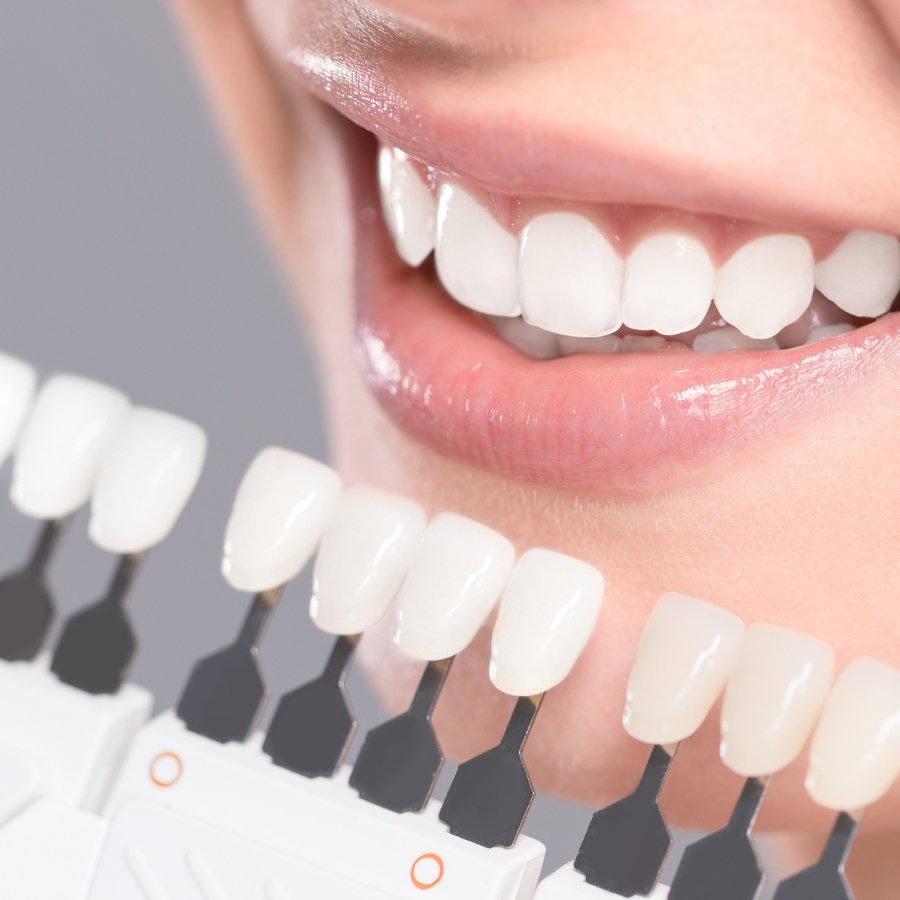
<span>Porcelain veneers are thin ceramic shells designed to cover the visible front surface of a tooth.</span>
<span>They may be used to change certain aspects of tooth appearance, including:</span>
<ul data-spread=”false”>
<li><span>Particular types of tooth discolouration.</span></li>
<li><span>Minor chips or worn edges.</span></li>
<li><span>Small gaps between teeth.</span></li>
<li><span>Selected variations in tooth shape or size.</span></li>
<li><span>Certain minor alignment concerns where veneer treatment is clinically appropriate.</span></li>
</ul>
<span>Not all teeth are suitable for veneers. Factors such as enamel condition, existing fillings, gum health, bite alignment and teeth grinding can influence treatment suitability.</span>
<span>Veneer placement commonly requires removing some natural tooth enamel to accommodate the restoration. This alteration is generally irreversible and may create an ongoing need for restorative treatment.</span>
<span>Alternatives such as whitening, composite bonding, orthodontic treatment or no cosmetic treatment may be appropriate.</span>
<span>Your dentist will explain the available options following a clinical assessment.</span>
<h3 data-pm-slice=”1 1 []”><span>Potential Benefits and Limitations of Porcelain Veneers</span></h3>
<span>Porcelain veneers can be designed in different shapes and shades to address selected cosmetic concerns.</span>
<strong><span>Changes to Tooth Appearance</span></strong>
<span>Veneers may be used to alter the visible shape, colour or surface of selected teeth. However, the final appearance depends on individual dental characteristics and the restorations used.</span>
<strong><span>Ceramic Restorative Material</span></strong>
<span>Dental ceramic has certain stain-resistant properties, although veneers may still chip, fracture, loosen or develop discolouration around their margins.</span>
<strong><span>Tooth Preparation</span></strong>
<span>Veneer treatment may require removal of natural enamel. This is generally irreversible and can mean the tooth requires ongoing restorative care.</span>
<strong><span>Individualised Design</span></strong>
<span>Veneers can be designed with consideration of surrounding teeth, bite relationships and patient preferences. However, an exact appearance or cosmetic outcome cannot be guaranteed.</span>
<span>Not every planned change can be achieved, and some patients may experience differences between their expectations and the final result.</span>
<span>Because veneers can involve permanent changes to natural teeth, it is important to consider the available alternatives before proceeding.</span>
<h3 data-pm-slice=”1 1 []”><span>The Process of Getting Porcelain Veneers</span></h3>
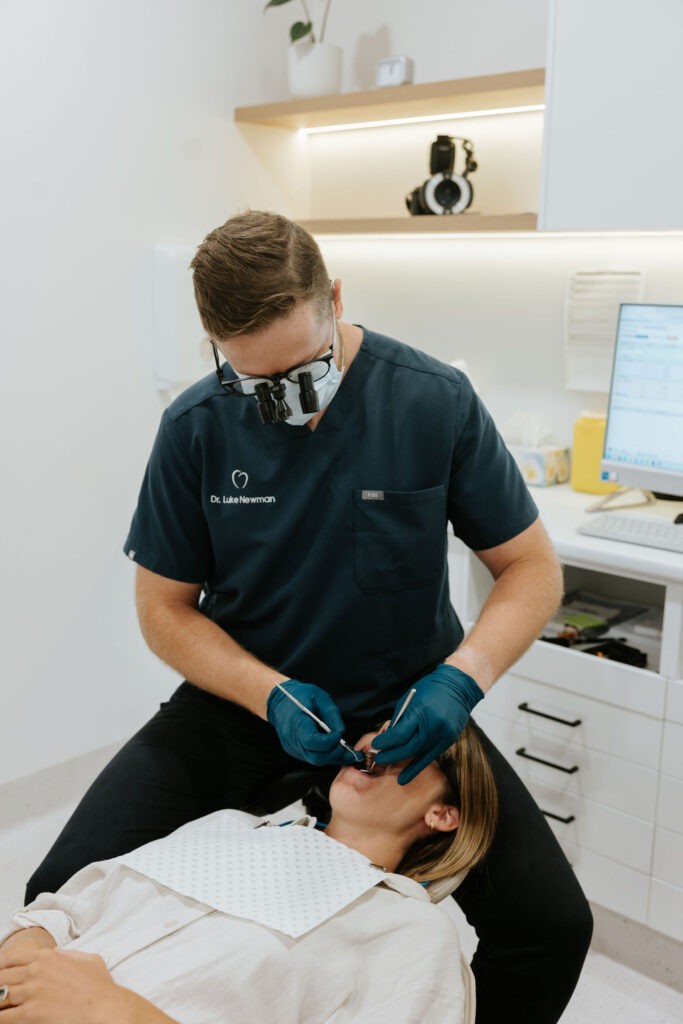
<span>Treatment begins with a dental consultation to assess your teeth, gums and bite and discuss your reasons for considering veneers.</span>
<span>Your dentist will explain whether veneer treatment is suitable and what alternatives may be available.</span>
<span>If treatment proceeds, the stages may include:</span>
<ol start=”1″ data-spread=”false”>
<li><strong><span>Dental Assessment:</span></strong><span> Examination of tooth structure, enamel, gums, bite and existing restorations. Photographs or digital scans may be recommended where appropriate.</span></li>
<li><strong><span>Tooth Preparation:</span></strong><span> Removal of a layer of enamel where required to accommodate the restoration. This preparation is generally irreversible.</span></li>
<li><strong><span>Impressions or Digital Scanning:</span></strong><span> Records are taken to assist with designing and manufacturing the veneers.</span></li>
<li><strong><span>Veneer Manufacturing:</span></strong><span> Custom ceramic restorations are manufactured according to the proposed treatment plan. Temporary veneers may be needed while the final restorations are being made.</span></li>
<li><strong><span>Fitting and Bonding:</span></strong><span> The veneers are assessed for fit, bite and appearance before being bonded to the prepared teeth. Adjustments may be required.</span></li>
</ol>
<span>Some patients experience temporary tooth sensitivity, tenderness or gum irritation during or after treatment.</span>
<span>Additional appointments or adjustments may occasionally be necessary.</span>
<span>Your dentist will provide aftercare instructions and explain the maintenance requirements associated with the restorations.</span>
<h3 data-pm-slice=”1 3 []”><span>Risks and Alternatives to Porcelain Veneers</span></h3>
<span>Porcelain veneer treatment has potential risks and limitations, particularly where natural tooth structure must be removed.</span>
<span>Possible complications include:</span>
<ul data-spread=”false”>
<li><span>Irreversible removal of natural tooth enamel.</span></li>
<li><span>Temporary or persistent tooth sensitivity.</span></li>
<li><span>Discomfort or gum irritation during or after treatment.</span></li>
<li><span>Veneer chipping, cracking, loosening or detachment.</span></li>
<li><span>Changes to the bite requiring adjustment.</span></li>
<li><span>Tooth decay developing around restoration margins.</span></li>
<li><span>Differences between the final appearance and patient expectations.</span></li>
<li><span>Possible need for further restorative treatment, including crowns or root canal treatment in some circumstances.</span></li>
<li><span>Ongoing maintenance, repair or replacement costs.</span></li>
</ul>
<p data-pm-slice=”1 1 []”><span>Veneer longevity varies according to oral hygiene, tooth condition, bite forces, material characteristics and habits such as teeth grinding.</span></p>
<span>Veneers are not permanent by guarantee, and future repair or replacement may be required.</span>
<span>Depending on your dental concerns and oral health, alternatives may include teeth whitening, composite resin bonding, orthodontic treatment or choosing not to undergo cosmetic treatment.</span>
<span>Your dentist will explain the potential benefits, risks and limitations relevant to your circumstances before obtaining informed consent.</span>
<h3>Frequently Asked Questions About Porcelain Veneers</h3>
The lifespan of porcelain veneers varies between patients.
Factors such as oral hygiene, teeth grinding, bite forces and the condition of underlying teeth can affect their longevity.
Veneers may require repair or replacement over time, even with appropriate maintenance.
Local anaesthesia may be used during tooth preparation to help manage discomfort.
Some patients experience temporary sensitivity, tenderness or gum irritation during or after treatment.
The degree and duration of discomfort vary between individuals, and some patients require additional assessment or treatment.
Porcelain veneers can be manufactured in different shades to take account of surrounding teeth.
However, an exact colour match or particular cosmetic appearance cannot be guaranteed.
Natural teeth may change colour over time, while ceramic restorations respond differently to whitening treatments.
Veneers require regular brushing, interdental cleaning and dental reviews.
Avoiding habits that place excessive force on teeth may help reduce the risk of damage.
Some patients may be advised to use a protective appliance if teeth grinding is identified.
Your dentist will explain the maintenance requirements relevant to your restorations.
The cost depends on the number of veneers, restorative materials, condition of the teeth and any additional procedures required.
Following assessment, your dentist can provide an individual treatment plan and written quotation outlining the proposed treatment, fees and relevant considerations.
Payment arrangements may be available, subject to eligibility requirements and applicable terms.
<h3 data-pm-slice=”1 1 []”><span>Discuss Porcelain Veneers at Mary St Dental Gympie</span></h3>
<span>If you are considering porcelain veneers, Mary St Dental can provide a dental assessment and explain whether treatment may be appropriate for your circumstances.</span>
<span>Our Gympie practice welcomes patients from Southside, Monkland, Curra, Glastonbury and surrounding communities.</span>
<span>A consultation provides an opportunity to discuss the procedure, possible benefits, risks, alternatives, costs and ongoing maintenance requirements.</span>
<span>There is no obligation to proceed with cosmetic dental treatment following an assessment.</span>