
Dental Fillings and Tooth Restorations at Mary St Dental
At Mary St Dental in Gympie, we provide restorative dental treatments for teeth affected by decay, damage, fractures or wear.
Our services include tooth-coloured fillings, dental crowns, onlays and assessment of existing amalgam, or silver-coloured, fillings.
Dental restorations may help repair damaged tooth structure and support chewing function. However, the appropriate treatment depends on the condition of the tooth, existing restorations and individual clinical requirements.
Not all older amalgam fillings need replacement. Our dentists assess whether monitoring, repair or replacement is appropriate and explain the potential benefits, risks, limitations and alternatives before proceeding.
What Are Dental Restorations & Why Might I Need Them?
Dental restorations are used to repair or replace tooth structure affected by decay, fractures, wear or other damage.
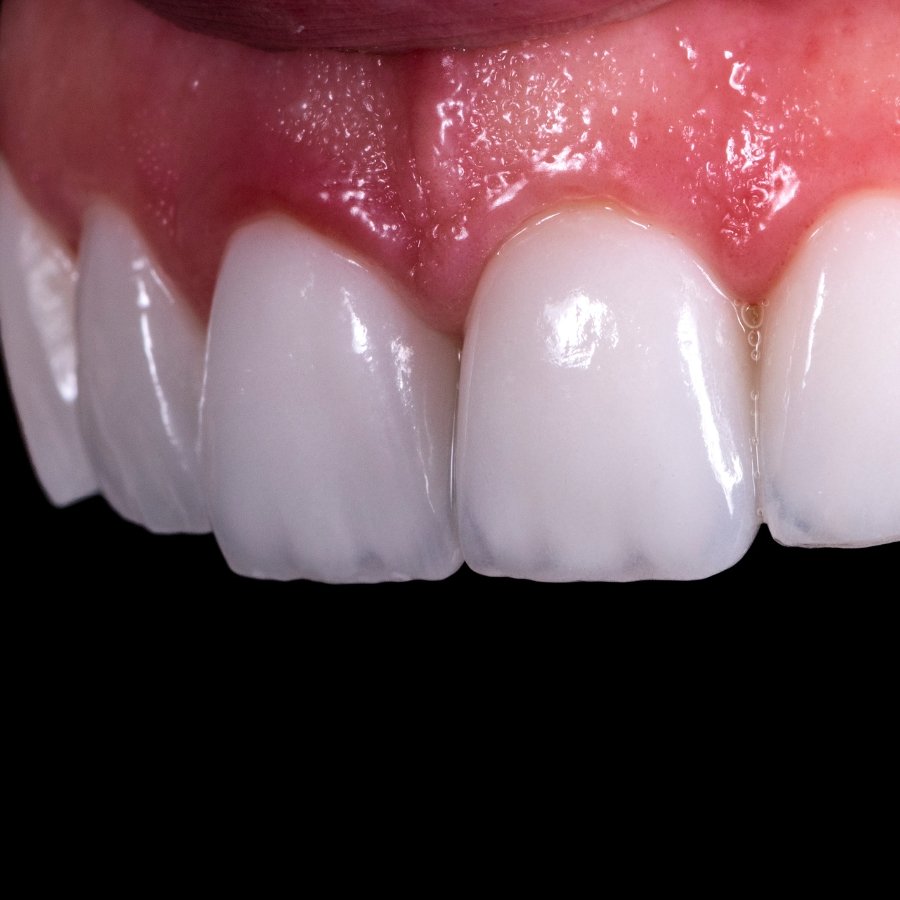
Depending on your dental needs, treatment may involve a composite resin filling, ceramic onlay or dental crown.
Tooth-coloured materials can be selected with consideration of surrounding teeth, although the final appearance and longevity of a restoration vary between individuals.
Factors such as remaining tooth structure, bite forces, oral hygiene and the location of the tooth influence the most appropriate treatment.
Some teeth require more extensive restoration, while others may be managed through monitoring or more conservative treatment.
Your dentist will explain the available options following a clinical examination.
What’s Involved in Amalgam Replacement?
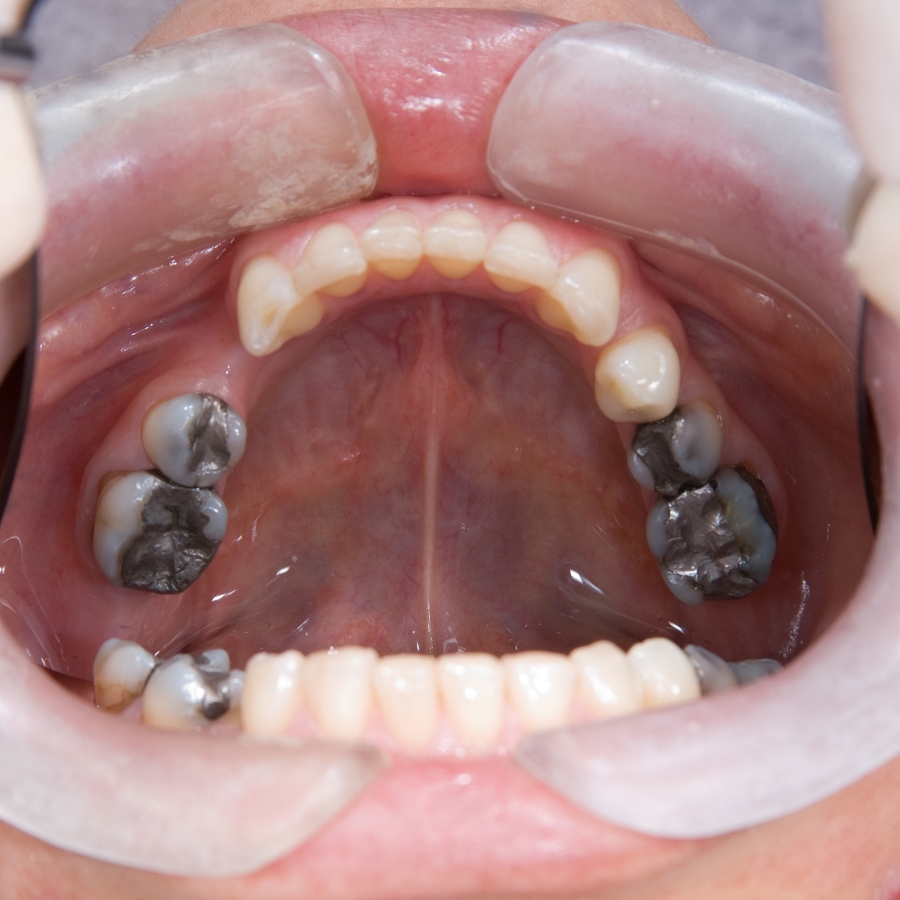
Dental amalgam is a restorative material made from a combination of metals, including silver, tin, copper and mercury.
Amalgam fillings have been used in dentistry for many years and may remain functional for extended periods.
Like other restorative materials, amalgam fillings can deteriorate over time. Teeth containing amalgam may also develop cracks, decay or other concerns, although these problems can have several causes and are not automatically attributable to the filling material.
At Mary St Dental Gympie, our dentists examine existing restorations and surrounding tooth structure to determine whether treatment is necessary.
Intraoral cameras may assist with examining visible tooth surfaces, while dental X-rays or other investigations may be recommended where clinically indicated.
If an amalgam filling remains satisfactory and the surrounding tooth is healthy, replacement may not be required.
Why Might an Amalgam Filling Need Replacement?
Amalgam replacement may be considered when clinical assessment identifies:
- Decay around or beneath an existing restoration.
- A fractured or deteriorating filling.
- Cracks or damage affecting the surrounding tooth.
- An inadequate seal or other restoration defect.
- A confirmed material-related concern requiring clinical consideration.
Some patients also enquire about replacing amalgam fillings with tooth-coloured restorations for cosmetic reasons.
However, removal of a functioning amalgam filling is not automatically recommended, as the procedure can involve removal of additional tooth structure and other risks.
Where replacement is appropriate, composite resin, ceramic or another restorative material may be considered depending on the condition of the tooth.
A ceramic onlay or crown may be recommended if a more extensive restoration is clinically necessary.
Our Approach to Amalgam Removal
When amalgam removal is clinically indicated, our dentists use appropriate dental techniques and precautions according to the condition of the tooth and proposed procedure.
These may include:
- Rubber dam isolation where clinically appropriate.
- Water cooling to manage heat during removal.
- High-volume suction to assist with removing debris.
- Appropriate collection and disposal of amalgam waste.
- Assessment of the remaining tooth structure before restoration.
Amalgam removal is not completely risk-free. Potential complications include temporary sensitivity, discomfort, loss of additional tooth structure and the need for more extensive restorative treatment.
The method used and the complexity of removal depend on the individual clinical circumstances.
Your dentist will explain whether retaining, repairing or replacing an existing filling is appropriate before treatment.
What Can I Expect During Treatment?
Your appointment begins with an examination of the affected tooth and any existing restoration.
Your dentist will assess the condition of the tooth, discuss the treatment options and explain relevant costs.
If a restoration is recommended, local anaesthesia may be used to help manage discomfort.
Treatment may involve removing damaged or decayed tooth structure, preparing the tooth and placing a new filling or other restoration.
Some procedures can be completed during one appointment, while more extensive restorations may require additional visits or laboratory work.
Temporary sensitivity, tenderness or discomfort can occur following restorative treatment. Other possible complications include restoration fracture, loosening, changes to the bite or the need for additional treatment.
Dental restorations require ongoing oral hygiene and dental assessment and may eventually need repair or replacement.

Frequently Asked Questions About Restorations & Amalgam Replacement
Dental amalgam is a filling material containing mercury combined with metals including silver, tin and copper.
An amalgam filling may require replacement if it becomes damaged, develops defects or is associated with decay or another clinically significant concern.
However, an older filling does not necessarily require replacement simply because of its age or material.
Your dentist can assess its condition and discuss whether monitoring, repair or replacement is appropriate.
Dental amalgam remains an accepted restorative material in appropriate clinical circumstances.
Current evidence does not support routinely replacing sound amalgam fillings to address general or unexplained health concerns.
Certain individual circumstances, including confirmed material sensitivity or particular medical considerations, may require additional assessment.
Removing a functioning filling also has potential risks, including loss of additional tooth structure.
Your dentist can discuss the available evidence and treatment considerations relevant to your circumstances.
At Mary St Dental Gympie, restorative options include composite resin fillings and ceramic or zirconia restorations.
Different materials have different characteristics, limitations and maintenance requirements.
The appropriate material depends on the location and condition of the tooth, remaining tooth structure and individual treatment needs.
No single restorative material is automatically the most suitable choice for every patient.
Treatment duration depends on the size and location of the existing filling, the condition of the tooth and the restoration required.
Some fillings may be replaced during one appointment, while more complex cases require additional visits.
Your dentist can provide an estimated treatment time following assessment.
Local anaesthesia is commonly used during restorative procedures to help manage discomfort.
Some patients may experience temporary tooth sensitivity, tenderness or other symptoms during or after treatment.
The degree and duration of discomfort vary, and further assessment may be required if symptoms persist or worsen.
Your dentist will explain what to expect and discuss appropriate management options.
Discuss Dental Restorations & Amalgam Replacement in Gympie
If you have a damaged tooth, an older filling or concerns about an existing dental restoration, Mary St Dental can provide a clinical assessment.
Our Gympie practice welcomes patients from Southside, Monkland, Curra, the Mary Valley and surrounding communities.
An appointment provides an opportunity to discuss the condition of your teeth, available restorative treatments and whether monitoring, repair or replacement may be appropriate.
Our team can explain potential benefits, risks, alternatives and costs before you make a treatment decision.