
Dental Crowns and Tooth Restorations at Mary St Dental
At Mary St Dental in Gympie, we provide dental crowns for teeth affected by decay, fractures, significant wear or other damage.
Dental crowns are custom-made restorations designed to cover a prepared tooth. They may be recommended to help restore tooth structure, support chewing function or manage certain dental concerns where a conventional filling may not be appropriate.
Our dentists assess the condition of your teeth, gums and bite before discussing whether a crown or another restoration may be suitable.
Crown treatment generally involves removing some natural tooth structure and has potential risks and limitations. Your dentist will explain the available options, expected treatment stages, maintenance requirements and costs before proceeding.
What Are Dental Crowns and Who Might Need One?
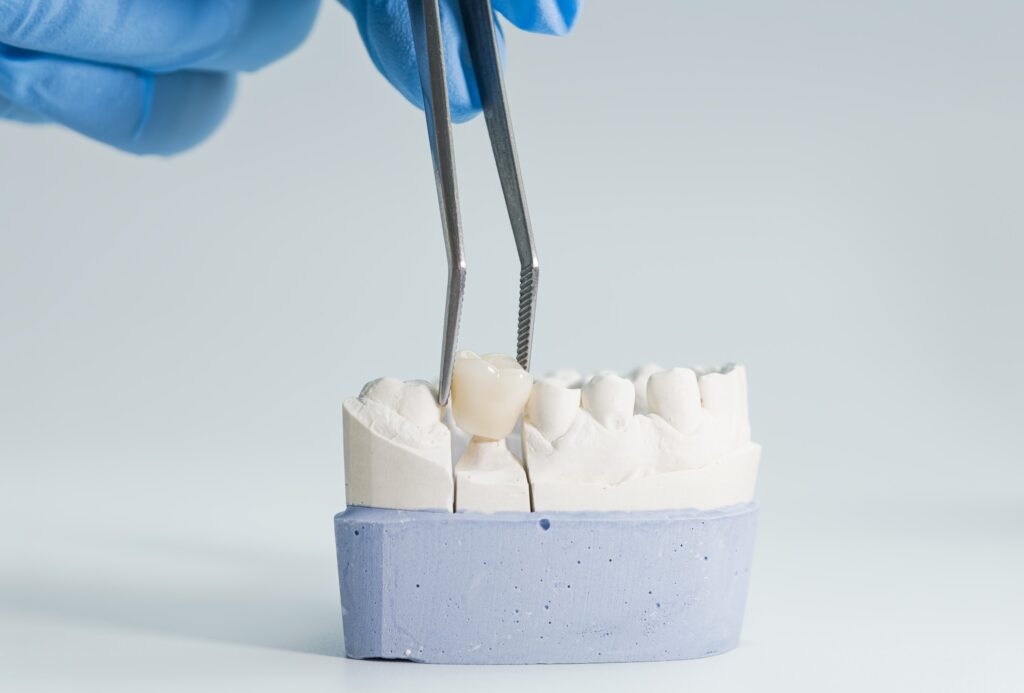
A dental crown is a custom-made restoration that covers the visible part of a prepared tooth.
Crowns may be considered for teeth with:
- Extensive decay or damage.
- Cracks or fractures requiring restorative treatment.
- Large existing fillings or insufficient remaining tooth structure.
- Previous root canal treatment where additional restorative support is indicated.
- A dental implant requiring a crown restoration.
- Certain tooth shape or appearance concerns, where clinically appropriate.
Dental crowns can be manufactured from materials including glass ceramic, zirconia, gold and other metal alloys.
The choice of material depends on factors such as tooth location, remaining tooth structure, bite forces and individual treatment requirements.
Not every damaged or discoloured tooth requires a crown. Depending on the circumstances, alternatives may include fillings, onlays, composite bonding, monitoring or another approach.
Your dentist will discuss which options may be appropriate following an examination.
How Does the Dental Crown Procedure Work?
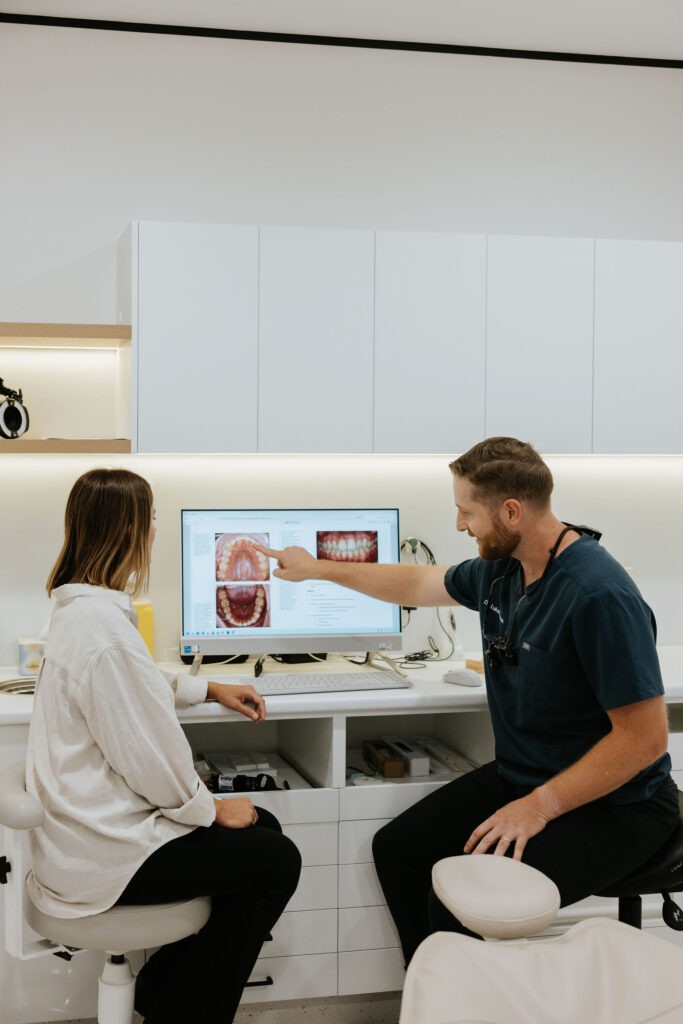
Dental crown treatment begins with an examination to assess the affected tooth and surrounding oral structures.
Dental X-rays, photographs or digital scans may be recommended where clinically indicated.
If a crown is appropriate, the tooth is prepared by removing decay or damaged material and reshaping the tooth to accommodate the restoration.
This preparation usually involves removing some natural tooth structure and is generally irreversible.
Digital scans or conventional impressions may then be used to assist with manufacturing the crown.
At Mary St Dental, selected ceramic crowns may be manufactured using CEREC technology during a single appointment. Other crowns may require dental laboratory manufacturing and an additional appointment.
Where necessary, a temporary crown may be fitted while the permanent restoration is being prepared.
Before final placement, the crown is assessed for fit, contact with neighbouring teeth, bite and appearance. Adjustments may be required.
The crown is then bonded or cemented into place using an appropriate dental material.
Some patients require further adjustment or review after fitting.
What Can I Expect from My Dental Crown?
Dental crowns may help restore the shape of a damaged tooth, support remaining tooth structure and assist with chewing function.
Tooth-coloured crowns can be designed with consideration of the appearance of surrounding teeth, although the final result varies according to the material, underlying tooth and individual circumstances.
Crown treatment has potential risks, including:
- Temporary or persistent tooth sensitivity.
- Discomfort or gum irritation.
- Irreversible removal of natural tooth structure.
- Changes to the bite requiring adjustment.
- Crown loosening, fracture or wear.
- Tooth decay developing around restoration margins.
- Possible need for root canal treatment or further restorative care.
- Failure of the supporting tooth or restoration, potentially requiring replacement or other treatment.
Local anaesthesia is commonly used during tooth preparation to help manage discomfort. However, pain-free treatment cannot be guaranteed.
Dental crowns require ongoing cleaning and dental assessment. Their longevity depends on factors including oral hygiene, tooth condition, restorative material, bite forces and habits such as teeth grinding.
Some crowns may require repair or replacement over time.
Your dentist will explain the potential benefits, risks, limitations and alternatives relevant to your circumstances.

Frequently Asked Questions About Dental Crowns
The lifespan of a dental crown varies between patients.
Factors such as tooth condition, crown material, oral hygiene, bite forces and regular maintenance can influence how long a restoration remains functional.
Some crowns last many years, while others may require repair or replacement earlier.
Local anaesthesia is commonly used during crown preparation to help manage discomfort.
Some patients experience temporary sensitivity, tenderness or gum irritation during or after treatment.
The degree and duration of discomfort vary. Contact your dentist if you experience persistent or worsening symptoms.
Yes. Although the crown material itself does not develop tooth decay, the natural tooth beneath and around the crown margins can still be affected.
Regular brushing, interdental cleaning and appropriate dental assessments are important for maintaining crowned teeth.
Dental crowns require regular brushing, cleaning between the teeth and ongoing dental care.
Avoiding habits such as chewing ice, biting hard objects or using teeth to open packaging may help reduce the risk of damage.
Patients who grind their teeth may be advised to use a protective appliance where clinically appropriate.
Your dentist will recommend maintenance based on your individual oral health.
Dental crowns may be manufactured from glass ceramic, zirconia, gold or other metal alloys.
Each material has different physical and aesthetic characteristics.
The appropriate choice depends on factors such as the tooth’s location, available space, bite forces and the condition of the remaining tooth structure.
No single material is automatically the strongest or most suitable option for every patient.
Some ceramic crowns can be designed, manufactured and fitted during a single appointment using CEREC digital scanning and milling technology.
Other restorations may be manufactured by a dental laboratory, depending on the crown material, design and clinical requirements.
Same-day crowns are not suitable for every patient or restoration.
Both approaches require individual treatment planning, and neither guarantees a particular appearance, fit or lifespan.
Discuss Dental Crowns at Mary St Dental Gympie
If you have a damaged tooth, a large existing filling or concerns about the condition of a tooth, Mary St Dental can provide an examination and discuss possible restorative options.
Our Gympie practice welcomes patients from Southside, Monkland, Curra, Glastonbury and surrounding communities.
An appointment provides an opportunity to understand whether a dental crown, filling, onlay or another approach may be appropriate, including the relevant benefits, risks, alternatives and costs.
There is no obligation to proceed with crown treatment following an assessment.