
Treatment for Snoring & Obstructive Sleep Apnoea in Gympie
Oral Appliance Therapy at Mary St Dental Gympie
Mary St Dental provides dental assessments and oral appliance therapy for suitable adults experiencing snoring or medically diagnosed obstructive sleep apnoea (OSA).
Snoring and OSA are different conditions. While snoring can occur without a sleep-related breathing disorder, it may also be a symptom of OSA that requires medical investigation.
Our dentists can assess whether a custom-made oral appliance may be appropriate as part of a treatment plan developed in consultation with your medical practitioner.
Oral appliance therapy is not suitable for everyone, and treatment outcomes vary. We explain the potential benefits, risks, limitations and ongoing maintenance requirements before proceeding.
Understanding Snoring and Obstructive Sleep Apnoea (OSA)
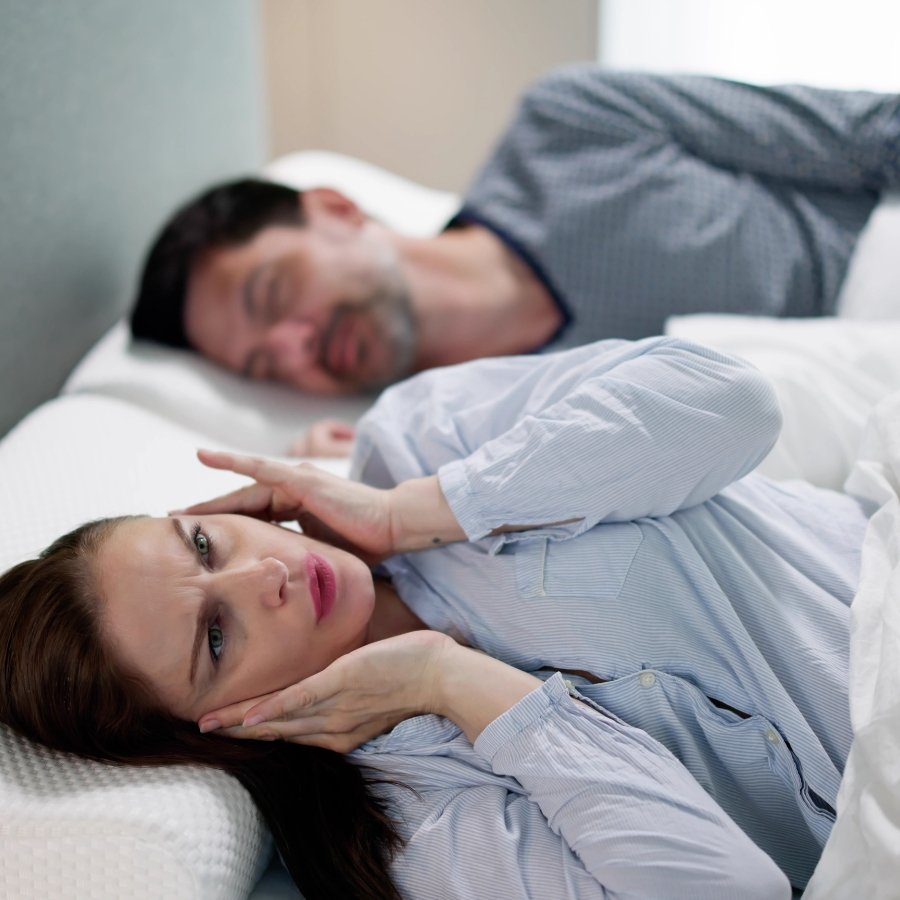
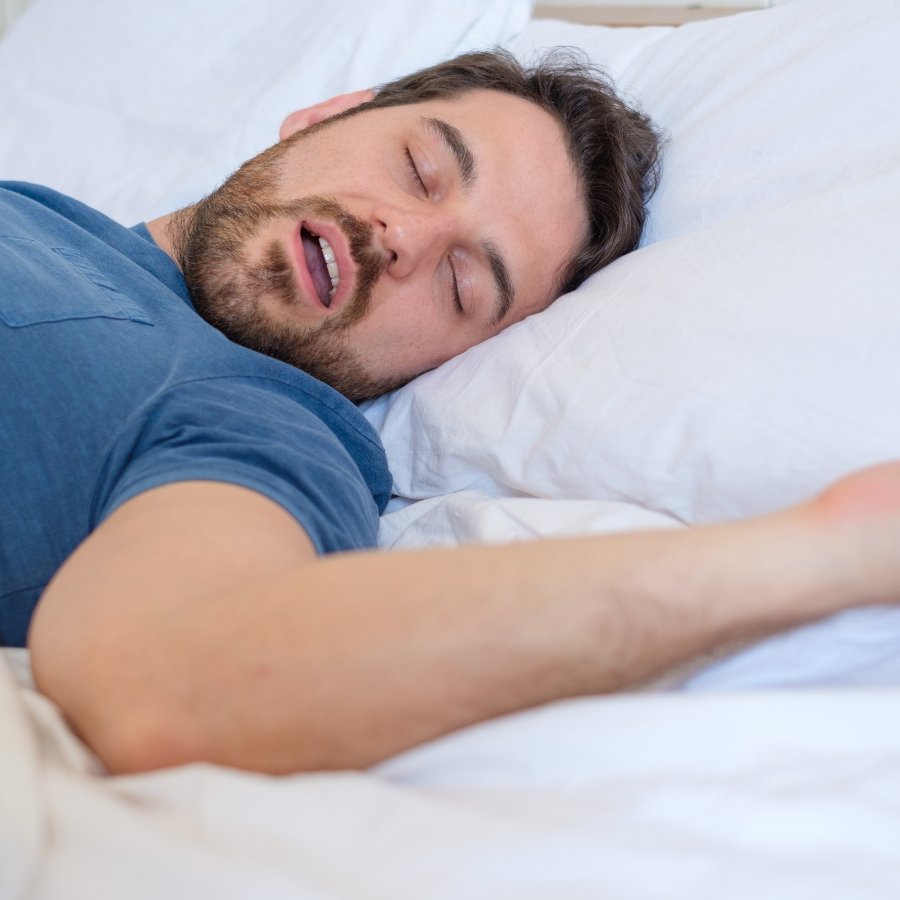
Snoring occurs when tissues in the upper airway vibrate as air moves through them during sleep.
Obstructive sleep apnoea is a condition involving repeated episodes of partial or complete upper airway obstruction during sleep.
These episodes can interrupt breathing, affect oxygen levels and disrupt normal sleep patterns.
Possible symptoms include:
- Loud or frequent snoring.
- Witnessed pauses in breathing during sleep.
- Waking with choking or gasping sensations.
- Excessive daytime sleepiness.
- Morning headaches or difficulty concentrating.
- Unrefreshing sleep.
However, symptoms alone cannot confirm or exclude OSA.
OSA has been associated with several health conditions, including high blood pressure and cardiovascular disease. Appropriate assessment and treatment are important, particularly for people experiencing significant daytime sleepiness or breathing disturbances.
Diagnosis requires evaluation by an appropriately qualified medical practitioner, usually supported by a sleep study.
If OSA is suspected, your GP or sleep physician can recommend suitable investigations and discuss appropriate treatment options.
How Do We Treat Snoring and Obstructive Sleep Apnoea?
For suitable adults, oral appliance therapy may be considered as part of the management of snoring or obstructive sleep apnoea.
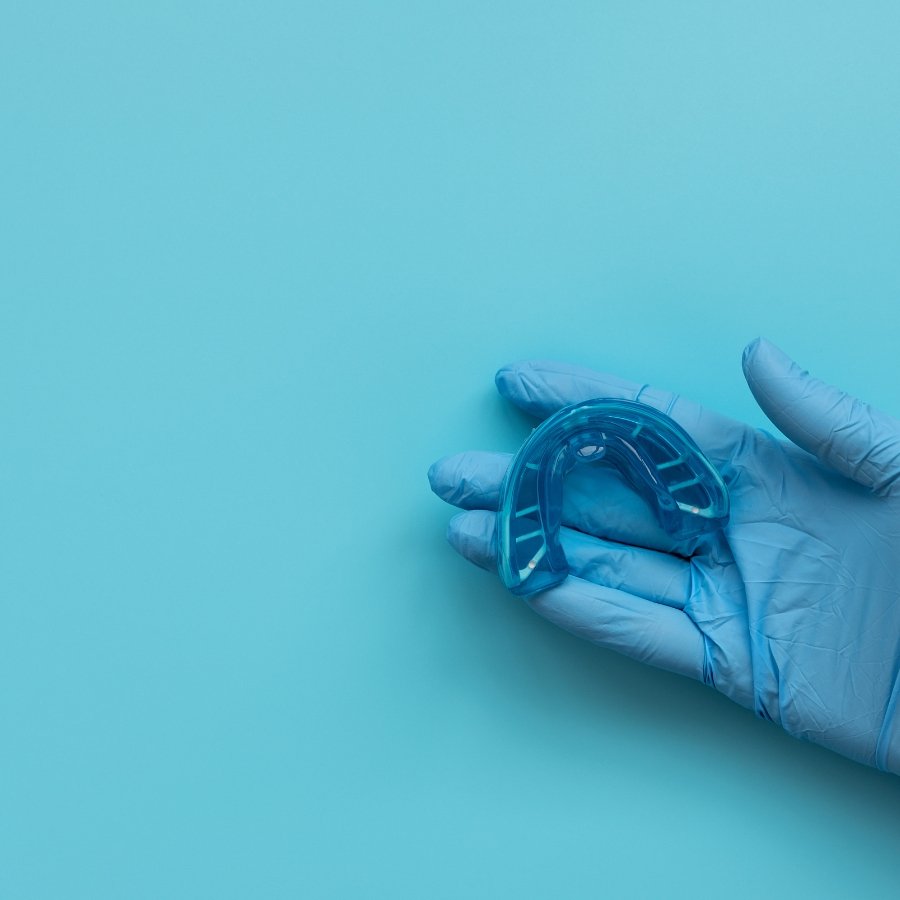
A commonly used device is a custom-made mandibular advancement appliance, which is worn during sleep and positions the lower jaw forward to help reduce upper airway obstruction.
These appliances may reduce snoring and improve certain measures of OSA in appropriately selected patients.
However, the degree of improvement varies, and treatment may not adequately control OSA in every patient.
Continuous positive airway pressure (CPAP) remains an important treatment option, particularly for some patients with more severe OSA.
Oral appliances may be considered for adults with snoring or mild to moderate OSA, or selected patients with more severe OSA who cannot tolerate CPAP, following appropriate medical assessment.
At Mary St Dental Gympie, our dentists assess the teeth, gums, jaw joints and bite to determine whether oral appliance therapy is dentally suitable.
Treatment should be coordinated with the medical practitioner responsible for diagnosing and managing the sleep-related breathing disorder.
What Are the Benefits and Limitations of Oral Appliance Therapy?
Oral appliances have several characteristics that may be relevant when considering treatment options.
Removable Design
Custom-made oral appliances are worn during sleep and can generally be removed for cleaning.
Mandibular Advancement
The appliance positions the lower jaw forward to help reduce upper airway obstruction in suitable patients.
Portable Appliance
Oral appliances do not require electricity during use and may be convenient for some patients when travelling.
Individual Treatment Response
Some patients experience reduced snoring or improvements in particular OSA measures. However, the effectiveness varies and cannot be guaranteed.
Potential Side Effects
Oral appliances can cause jaw discomfort, tooth tenderness, changes in saliva production, dry mouth or bite changes.
Over time, some patients may experience changes in tooth position or jaw joint symptoms.
Regular dental assessment and adjustments may be necessary.
An oral appliance is not automatically a replacement for CPAP or other medically recommended treatments.
Your medical practitioner can help determine whether appliance therapy is appropriate for your circumstances.
What Can You Expect from Snoring & Sleep Apnoea Treatment?
Your dentist will begin by reviewing your dental health, medical information and any sleep-related diagnosis or recommendations provided by your treating medical practitioner.
The dental assessment may include examination of your teeth, gums, jaw joints, bite and available space for an appliance.
If oral appliance therapy is suitable, digital scans or impressions may be taken to manufacture a custom-made device.
The appliance is then fitted and adjusted according to your individual requirements.
Follow-up appointments may be needed to assess fit, comfort and any changes affecting the teeth or jaw joints.
Potential complications include tooth discomfort, jaw pain, gum irritation, dry mouth, increased salivation and changes in the bite or tooth position.
Importantly, reduced snoring does not necessarily mean that obstructive sleep apnoea has been adequately controlled.
Medical follow-up, including repeat sleep testing where recommended, may be required to determine whether the treatment is sufficiently effective.
Ongoing dental review is also important to monitor oral health, appliance condition and possible side effects.
Frequently Asked Questions About Snoring & Obstructive Sleep Apnoea
Possible symptoms include loud snoring, witnessed pauses in breathing, daytime sleepiness and waking with choking or gasping sensations.
However, these symptoms do not establish a diagnosis.
A GP or sleep physician can arrange an appropriate medical assessment and determine whether a sleep study is required.
Custom-made appliances are designed to fit an individual’s mouth, but they can cause discomfort or other side effects.
These may include jaw tenderness, tooth sensitivity, dry mouth, increased salivation or changes in the bite over time.
Your dentist will monitor the appliance and recommend adjustments where appropriate.
Both oral appliances and CPAP are used to manage obstructive sleep apnoea, but they work differently.
CPAP is generally more effective at reducing breathing disturbances when used as prescribed. Oral appliances may be suitable for selected patients depending on OSA severity, dental suitability and medical recommendations.
Your medical practitioner can help determine the most appropriate treatment approach.
Oral appliances may reduce snoring and improve OSA in suitable patients, but they do not guarantee a cure.
Treatment generally requires ongoing appliance use, maintenance and follow-up.
Medical assessment and repeat sleep testing may be recommended to confirm whether OSA is being adequately managed.
Some private health insurance policies may provide benefits for oral appliances or associated dental services.
Coverage depends on your policy, eligibility, applicable item numbers and benefit limits.
We recommend confirming your entitlements directly with your health fund before proceeding.
Discuss Snoring & Sleep Apnoea Treatment at Mary St Dental Gympie
If you have concerns about snoring or have been diagnosed with obstructive sleep apnoea, Mary St Dental can discuss whether a dental oral appliance assessment may be appropriate.
Our Gympie practice welcomes patients from Southside, Monkland, Curra, Glastonbury and surrounding communities.
Where medical assessment is required, we recommend consulting your GP or sleep physician before proceeding with oral appliance treatment.
A dental consultation provides an opportunity to discuss appliance suitability, possible benefits, risks, limitations, maintenance and costs.