
Hearing a child grind their teeth at night can sound awful and feel very worrying. The scraping noises are loud, and parents often fear serious damage or pain. Teeth grinding in kids, known as bruxism, is actually very common and often linked with normal growth and teething.
In many children it is a short phase, especially when new teeth appear or the bite is changing, and it settles without treatment. Night‑time grinding becomes more of a concern when it is loud and frequent, when teeth look worn or chipped, or when a child has pain, headaches, snoring or poor sleep. In those situations, a gentle check with a family dentist such as Mary Street Dental in Gympie is sensible.
Keep reading to learn when to relax, when to book a visit, and simple steps that can help at home.
Key Takeaways
Teeth grinding in kids can sound frightening, yet most cases relate to normal development and never cause serious harm. This article gives Gympie parents clear, practical guidance without scary language.
-
Many children grind during teething or growth phases, then stop as their baby and adult teeth settle into place. Short‑term, quiet grinding without pain is usually just watched and mentioned at the next check‑up.
-
Grinding is more concerning when it is very loud, happens most nights, continues into the later primary years, or comes with tooth wear, jaw pain, headaches, snoring or disturbed sleep. These patterns deserve a dental assessment.
-
Simple home steps such as calmer bedtimes, less screen use before sleep, and talking about worries can ease grinding for some children. Good brushing habits and a tooth‑friendly diet also protect enamel.
-
A child‑friendly dentist like Mary Street Dental Gympie can monitor growth, check for damage, and only suggest treatments such as a custom mouthguard when teeth or jaws are at real risk.
What Is Teeth Grinding (Bruxism) In Kids And How Common Is It?
What people call teeth grinding in kids is known medically as paediatric bruxism and means a child clenches, grinds or rubs their teeth together without realising. It can happen while they are awake or asleep, and the forces involved can be quite strong. Parents usually notice it first as a scraping sound at night or when a dentist points out wear on the teeth during a routine visit.
Studies summarised by StatPearls report that between about 6 and 50 per cent of children grind their teeth at some stage, depending on age and how grinding is measured, a range also reflected in research on Sleep Bruxism in School-Aged children examining tooth wear and orthodontic risk factors. Research reviewed by the American Academy of Sleep Medicine suggests night‑time bruxism is more common in children than adults and often fades as they grow. For many Gympie families this means the habit is annoying and a bit unsettling, but not always serious.
According to the Royal Children’s Hospital Melbourne, mild sleep grinding in young children is usually linked with teething or jaw growth and often improves by the later primary school years. That said, heavy, ongoing grinding can wear down both baby and adult teeth, strain the jaw joints and upset sleep. This is why dentists at Mary Street Dental Gympie pay attention to patterns over time, not just a single noisy night.
“Short periods of mild grinding in young children are often part of normal development, but ongoing grinding with pain or wear deserves a closer look.” – Adapted from Royal Children’s Hospital guidance
Understanding Types Of Bruxism In Children
Bruxism in children comes in a few main forms, which helps explain why some kids only make noise at night while others clench during the day.
-
Sleep bruxism is the common pattern parents notice, with harsh grinding sounds during light sleep or brief awakenings. The child is usually unaware and will not remember doing it in the morning.
-
Awake bruxism looks different. Children may clamp their teeth together quietly while reading, gaming, doing homework or feeling tense. Teachers and carers sometimes notice tight jaw muscles or chewing on pens and shirts. Paediatric dentists, including those at Mary Street Dental Gympie, often see both patterns in the same child.
Clinicians also talk about:
-
Primary bruxism, where teeth grinding happens on its own
-
Secondary bruxism, where it links with other conditions such as ADHD, autism, obstructive sleep apnoea or certain medicines
Because of this, modern recommendations from groups like the Australian Dental Association suggest looking at the child’s sleep, emotions and general health, not only the teeth.
Is Teeth Grinding In Kids Usually Normal Or A Problem?
Teeth grinding in toddlers and younger school‑aged children is very often a normal phase linked with teething and jaw growth. Many toddlers grind when baby teeth first appear, and many six to twelve year olds do the same as adult teeth erupt and the bite changes. Mild, occasional, pain‑free grinding in these stages is usually watched rather than treated.
To make this clearer, see the comparison below.
| Pattern Or Sign | Usually Normal | Needs A Dental Visit |
|---|---|---|
| Occasional quiet grinding during teething | Common stage in toddlers and early primary years | Mention at next check‑up |
| Loud grinding most nights | Less typical | Book an earlier appointment |
| No pain or tooth changes | Often self‑limiting | Keep monitoring only |
| Pain, tooth wear, headaches or snoring | Not expected | Assessment advised soon |
If grinding continues strongly into later primary school or adolescence, or if there is obvious tooth wear, pain or sleep trouble at any age, it can point to a more stubborn habit or an underlying issue. In that case, a gentle review at Mary Street Dental Gympie helps sort normal growth from problems that need attention.
Why Do Children Grind Their Teeth? Common Causes And Triggers
Children grind their teeth for many different reasons, and it almost never relates to bad behaviour or something they are doing on purpose. Most cases involve a mix of normal growth, emotions, sleep patterns and how the teeth and jaws line up. Understanding these causes helps families choose helpful changes at home and know when to seek more help.
Research summarised by StatPearls links childhood bruxism with tooth eruption, stress, sleep disturbance and some medical conditions, and a comprehensive review confirms it’s not just adults who grind their teeth — children face a distinct and complex set of contributing factors. The Sleep Health Foundation also notes that snoring and mouth breathing often appear with grinding in both children and adults. Dentists at Mary Street Dental Gympie look at the whole child, including school life, family changes and medical history, before suggesting any plan.
Normal Growth, Teething And Jaw Development
Normal growth is one of the most common causes of teeth grinding in kids, especially in toddlers and younger school‑aged children. When baby teeth come through, the new contact between upper and lower teeth can feel strange, and children may rub or tap them together as they get used to the sensation. This often shows up as baby teeth grinding during naps or night sleep.
Around six to twelve years of age, children pass through a mixed dentition stage where baby teeth fall out and adult teeth move into place. The bite changes quickly during this time, and the jaws grow in length and width. Many children grind while the body works out a comfortable way for the teeth to fit together.
According to information from the Royal Children’s Hospital Melbourne, this kind of development‑linked grinding usually eases once the new bite is stable. Dentists like those at Mary Street Dental Gympie often recommend simple monitoring during these phases, unless pain or rapid wear appears. That way, natural growth is not disturbed by unnecessary appliances.
Stress, Sleep And Other Contributing Factors
Stress and strong feelings play a big part in teeth grinding in kids, especially older children and teenagers.
Common triggers include:
-
School exams and assignments
-
Friendship issues or bullying
-
Family changes such as separation, a new baby or moving house
-
Exciting or scary screen time close to bed
That tension can come out physically as teeth clenching in children, nail biting or chewing on objects.
Sleep also matters. Grinding usually happens in short bursts around tiny awakenings during the night. Children who snore, mouth breathe, toss and turn or have night terrors may grind more often. The American Academy of Sleep Medicine notes a clear link between sleep‑disordered breathing and bruxism in young people. If a child both grinds and snores loudly, or seems very tired in the day, dentists often work with GPs or ear, nose and throat specialists to check the airway.
Other contributors include:
-
Crowded teeth, overbites or crossbites
-
Reflux or frequent heartburn
-
Neurological conditions
-
Some medicines used for ADHD and mood conditions
-
A strong family history of bruxism
A paediatric dentist familiar with sleep bruxism in children, such as the team at Mary Street Dental Gympie, can help separate harmless phases from patterns that need wider medical input.
What Are The Signs Of Teeth Grinding In Kids And When Should Parents Worry?
Signs of teeth grinding in kids range from simple night‑time noises to clear changes in teeth, jaws, sleep and behaviour. Not every clue shows up at once, which is why parents, teachers and dentists often each notice different things. Knowing common signs helps families decide when to keep watching and when to book a visit.
A review for the Australian Dental Association points out that tooth wear, morning jaw pain and headaches often appear together in children with more intense bruxism. The Sleep Health Foundation adds that poor sleep from grinding or snoring can affect mood and attention during the day. Local dentists like Mary Street Dental Gympie see these patterns often and can guide the next step.
Common Signs And Symptoms In Toddlers And Older Children
Common signs and symptoms include:
-
Night‑time sounds
-
Harsh scraping or crunching noises from a child’s bedroom
-
Grinding loud enough to notice from another room
-
-
Daytime behaviours
-
Jaw clenching, grimacing or chewing on clothing, pens or toys
-
Biting nails or lips more than usual
-
-
Changes in the teeth
-
Edges that look flatter, chipped or rough
-
Teeth that seem shorter or more worn over time
-
Sudden sensitivity to ice blocks, cold water or sweet foods
-
Small cracks in the enamel or early gum recession from pressure
-
-
Jaw and facial symptoms
-
Waking with a “tired” or sore jaw
-
Trouble chewing tough foods
-
Clicking or popping in the jaw joints
-
Morning headaches near the temples
-
Earache without infection, or tight neck and shoulder muscles
-
Toddlers and young children may not explain pain clearly but might rub their cheeks, avoid chewing on one side or become fussy at mealtimes. Restless sleep, snoring, mouth breathing, frequent waking or bedwetting can all appear with grinding. During the day, children may seem more irritable, tearful or “wired”, or teachers may notice trouble focusing in class.
Red Flags When To Book A Dental Assessment In Gympie
Some patterns suggest that teeth grinding in kids needs a prompt professional check rather than simple watching:
-
Grinding most nights for several months, especially when it is loud or very forceful
-
Any complaint of toothache, morning jaw pain, sore face or regular headaches
-
Visible flattening, chips, cracks or teeth that look “shorter” or more yellow
-
Fillings or baby teeth that seem to break more often
-
Grinding during sleep plus snoring, gasping, mouth breathing or thrashing around in bed
-
Big mood swings, frequent meltdowns, difficulty concentrating or nodding off in class
-
A strong family history of severe bruxism, jaw joint problems or sleep apnoea
For families across Gympie and the Wide Bay region, booking a calm, child‑friendly assessment at Mary Street Dental Gympie can bring clarity. The team can check for damage, talk through sleep and stress, and explain in plain language whether simple monitoring or active treatment makes sense.
How Do Dentists Diagnose Teeth Grinding In Children?
Dentists diagnose teeth grinding in kids by listening carefully to parents and children, examining the teeth and jaws, and often watching patterns over time. There is rarely a single test that gives the full picture, so information from home and school is just as valuable as what the dentist sees.
Guidance from StatPearls recommends combining history, clinical signs and sometimes sleep or medical assessments when bruxism is suspected, consistent with paediatric guidance on teeth grinding published in Pediatric Patient Education. The Australian Dental Association also encourages early, regular check‑ups so subtle tooth wear is picked up before serious damage occurs. Mary Street Dental Gympie follows this kind of holistic, low‑pressure approach.
What To Expect At A Child’s Bruxism Check At Mary Street Dental Gympie
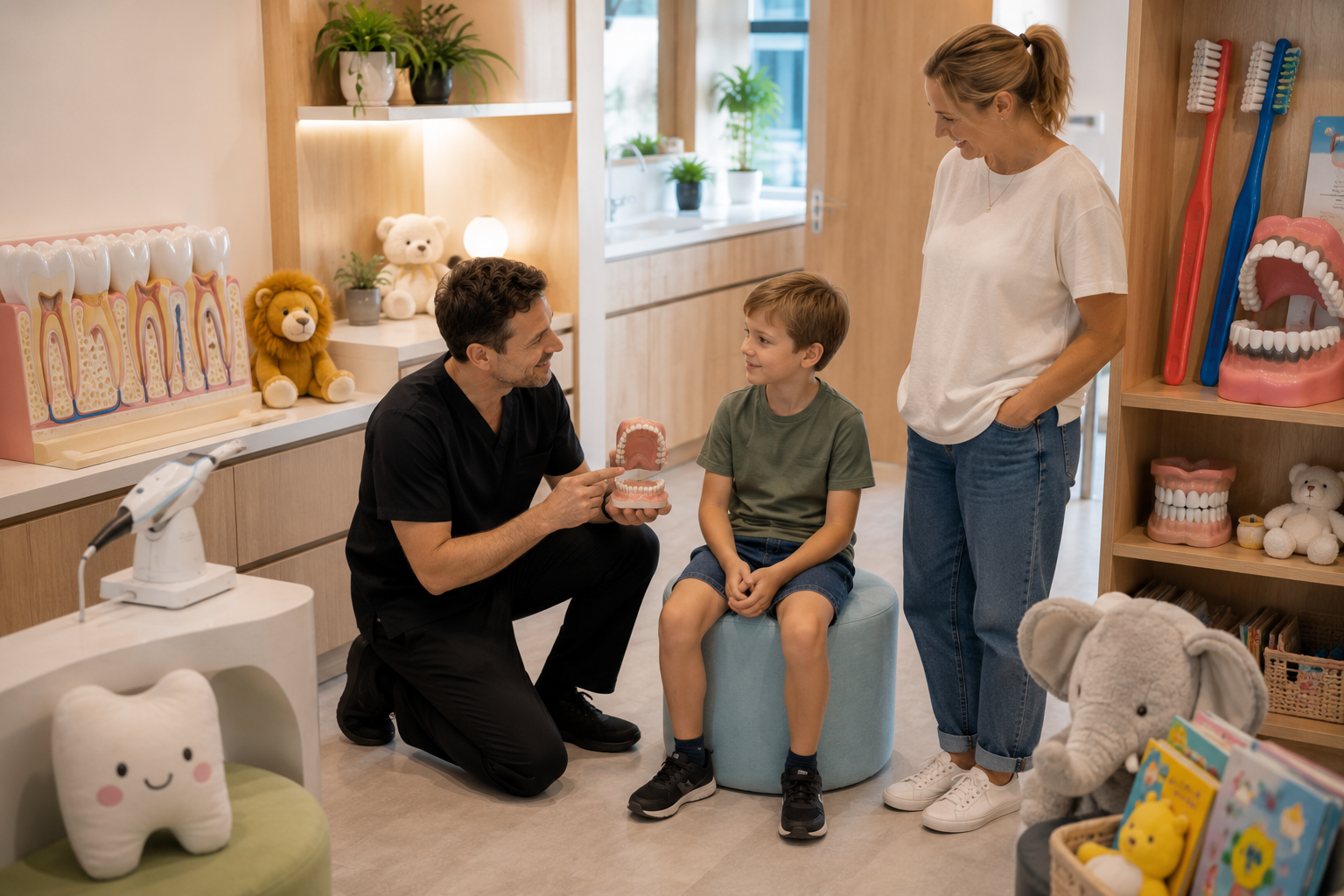
A bruxism check at Mary Street Dental Gympie feels much like a gentle children’s dental visit with a few extra questions. For younger kids, the team often starts with a relaxed “Happy Visit”, where the child has a ride in the chair, meets the dentist and has a quick tooth count. This helps build trust before any detailed examination.
The dentist talks with parents, and with the child if they are old enough, about:
-
When grinding happens and how loud it sounds
-
Whether there is any pain, morning tiredness or headaches
-
Sleep habits, snoring and mouth breathing
-
School pressures and recent family changes
-
Medicines and medical conditions
-
Family history of grinding or sleep apnoea
During the clinical check, the dentist:
-
Looks closely at baby and adult teeth for signs of wear, chips, cracks or erosion from reflux
-
Checks how the upper and lower teeth meet and how the jaw moves
-
Gently feels the jaw joints for tenderness or clicks
-
Lightly presses the chewing muscles in the cheeks and temples to see if they are tight or sore
Mary Street Dental Gympie also uses modern intraoral digital scanning when needed. This technology creates precise 3D models of the teeth, which helps record wear patterns and, if required later, design a custom protective appliance that fits comfortably. In many children, the outcome of this first visit is simple watchful waiting with regular reviews.
When Are Further Tests Or Referrals Needed?
Further tests are sometimes helpful when signs point beyond simple teeth grinding in kids. X‑rays or digital photos may be suggested for older children who already have most of their adult teeth, especially if cracks, deep wear or jaw concerns are suspected. These images help check the roots, jaw joints and tooth development with minimal radiation.
If a child grinds and also snores loudly, mouth breathes, gasps in sleep or seems very tired during the day, the dentist may suggest a review with a GP, paediatrician or ear, nose and throat specialist. These doctors can assess the airway, tonsils, adenoids and nose, and may arrange a sleep study if obstructive sleep apnoea is suspected. Information from groups such as the Sleep Health Foundation shows that treating sleep‑disordered breathing often reduces grinding episodes.
When the bite looks very uneven or the jaws are narrow or crowded, an orthodontic opinion can help. In these situations, early expansion or other orthodontic care might ease jaw strain and improve breathing as well as the smile. Mary Street Dental Gympie works closely with other local health professionals so families do not feel they have to organise all this alone.
How Is Teeth Grinding In Kids Treated And Can It Be Stopped?
Treatment for teeth grinding in kids focuses on protecting teeth and jaws, easing pain and improving sleep, rather than trying to control every grinding sound. Many children only need reassurance, monitoring and simple changes at home. Others, especially older kids and teens with adult teeth, may benefit from a custom night guard or additional care.
According to StatPearls, the main helpful measures for bruxism are oral appliances, stress support and sleep management. International guidance from the International Association for Dental Research also highlights a cautious approach in children, to avoid interrupting normal growth. Mary Street Dental Gympie follows this style of care, reserving mouthguards for situations where there is clear wear, pain or risk to orthodontic work.
Gentle Monitoring, Home Strategies And When A Mouthguard Is Needed
For many young children with mild teeth grinding, gentle monitoring is the main “treatment”. The dentist records how the teeth look, checks jaw growth at each visit, and compares changes over time. Parents receive clear advice about what to watch for at home and when to call sooner. This avoids fitting appliances for habits that are likely to fade on their own.
Home strategies can make a real difference:
-
Bedtime routine
-
A steady bedtime with calm activities, such as reading or a warm bath, helps the nervous system settle.
-
Limiting screens and exciting games in the hour before bed improves sleep quality.
-
-
Food and drink
-
Avoid caffeinated soft drinks or energy drinks in the afternoon and evening.
-
Offer water instead of sugary drinks between meals.
-
-
Talking about worries
-
Check in about school, friendships and family events.
-
Help your child name feelings and plan how to handle tricky situations.
-
For daytime teeth clenching in children, simple awareness helps. Parents can gently remind a child to rest with “lips together, teeth apart”, encourage jaw stretches and shoulder rolls, and use small stickers on devices as reminders to relax the jaw. If stress or anxiety seems strong, support from a GP, school counsellor or psychologist can sit alongside dental care.
A night guard for children is considered mainly for older kids and teenagers who have most or all of their adult teeth. It becomes an option when there is clear wear or cracking, frequent jaw pain or headaches, or braces and other orthodontic appliances that need protection. At Mary Street Dental Gympie, any mouthguard is custom made from digital scans so it fits snugly, feels slim and does not disturb breathing. Over‑the‑counter “boil and bite” guards often feel bulky and may even upset the bite in growing mouths.
Managing Pain, Protecting Teeth And Supporting Anxious Kids
When teeth grinding in kids already causes discomfort, dentists can offer several gentle ways to reduce pain and protect teeth.
Helpful options include:
-
Short periods of softer foods to rest tired jaw muscles
-
Warm compresses over the jaw muscles and simple stretching exercises
-
Age‑appropriate pain relief from a GP or pharmacist during a strong flare‑up
Protective care for the teeth may involve:
-
Fluoride treatments to make enamel more resistant to wear and decay
-
Fissure sealants on the back teeth, especially for children at higher risk of decay
-
Small tooth‑coloured fillings or preformed crowns to rebuild shape and reduce sensitivity when grinding has already caused chips or deeper wear
Supporting anxious children and parents is a big part of this care. Mary Street Dental Gympie uses a “Tell‑Show‑Do” style, where the team explains what will happen, shows the instruments in a friendly way, and only then starts treatment. Parents can stay with their child, which often keeps everyone calmer.
For particularly nervous older children who need fillings or impressions for a night guard, nitrous oxide, often called happy gas, may be offered. This safe, mild sedation helps children feel relaxed while remaining awake and able to talk. With more than 30 years of local family care, the dentists at Mary Street Dental Gympie are used to working gently with both children and adults who feel worried about dental visits.
What Can Parents Do At Home To Reduce Teeth Grinding And Protect Their Child’s Smile?
Parents cannot control every grinding episode, yet small daily habits can ease triggers and protect teeth. Focusing on better sleep, stress support and strong enamel often helps, even when grinding does not disappear completely. Regular check‑ups with a trusted local practice such as Mary Street Dental Gympie then complete the picture.
The Sleep Health Foundation highlights that children who get enough quality sleep cope better with stress and show fewer behaviour problems. The Australian Dental Association also reminds families that good brushing and diet habits keep enamel stronger and more able to cope with normal chewing and mild grinding. Together, these everyday steps support both oral health and general wellbeing.
Simple Everyday Habits That Can Help
You can support your child’s teeth and sleep by focusing on:
-
Sleep routine
-
Aim for similar bed and wake times each day, including weekends.
-
Build in quiet pre‑bed steps such as a bath, story or relaxing music.
-
Keep the bedroom dark, cool and quiet, with a comfortable pillow and favourite soft toy for younger children.
-
-
Screen and caffeine limits
-
Reduce screens, fast‑paced games and bright lights in the hour before bed.
-
Cut back caffeinated drinks, strong tea and energy drinks, especially later in the day.
-
-
Physical activity
-
Encourage regular after‑school sport or outdoor play to help the body use up tension in a healthy way.
-
-
Emotional check‑ins
-
Set aside a few minutes most days to talk about school, friends and feelings.
-
Acknowledge worries rather than brushing them off, then problem‑solve together.
-
-
Good oral habits
-
Brush twice a day with fluoride toothpaste, starting as soon as the first tooth appears.
-
Floss once a day (with help for younger children).
-
Offer water instead of sugary or acidic drinks between meals.
-
Strong, well‑cared‑for teeth are better able to handle occasional grinding without damage.
When To Involve A Dentist Early For Prevention
Early, regular dental visits allow problems linked with teeth grinding in kids to be picked up while they are still small. The Australian Dental Association recommends the first visit by around the first birthday, then ongoing check‑ups suited to the child’s needs. At Mary Street Dental Gympie, early “Happy Visits” help young children get used to the clinic in a relaxed way.
Children who grind heavily, snore, have a strong family history of bruxism, or live with conditions such as ADHD or autism often benefit from closer monitoring. In these cases, dentists can:
-
Keep careful records of tooth wear and jaw growth
-
Offer advice on sleep and habits
-
Suggest early orthodontic opinions if crowding or narrow jaws are present
For many Gympie families, cost is a real concern. Mary Street Dental Gympie supports the Child Dental Benefits Schedule, which gives eligible children Medicare‑funded care for essential dental services, including check‑ups and fillings. Flexible payment options also help when more complex treatment is needed, so parents feel able to book visits before problems become urgent.
If there is any doubt about whether to worry or just watch, a friendly assessment at 208 Mary Street, Gympie can provide clear answers. Parents walk away knowing whether their child’s grinding is a normal phase, something that needs monitoring, or a habit that deserves more active treatment.
In Summary
Teeth grinding in kids is very common, especially during teething and the years when baby and adult teeth share the mouth. For many Gympie children it is simply a noisy phase linked with growth and new teeth that settles on its own. Short‑term grinding without pain or obvious tooth changes is usually monitored rather than treated.
Grinding needs closer attention when it is loud and frequent, continues into later primary school or the teen years, or comes with tooth wear, jaw pain, morning headaches, snoring or restless sleep. Poor sleep and discomfort can affect behaviour, school performance and mood, so it pays to act early.
Management aims to protect teeth and jaws, support good sleep and emotional health, and use mouthguards or orthodontic care only when truly needed. Home steps such as steady bedtimes, less screen use at night, regular exercise and strong brushing habits all help.
With more than 30 years of family‑centred care, Mary Street Dental Gympie combines gentle communication, modern tools like digital scanning, and support through schemes such as the Child Dental Benefits Schedule. If your child grinds their teeth and you are unsure whether it is normal or a problem, contact the team at 208 Mary Street, Gympie, to arrange a calm, child‑friendly assessment.
Concerned About Your Child Grinding Their Teeth?
While teeth grinding in kids is often a normal part of development, persistent grinding, jaw pain, headaches or visible tooth wear shouldn’t be ignored. An early assessment can identify whether your child simply needs monitoring or whether treatment is recommended to protect their developing teeth and jaw.
If you’re concerned about your child’s teeth grinding, book a children’s dental appointment at Mary Street Dental in Gympie. Our friendly, experienced team will carefully assess your child’s teeth, explain what’s happening in clear, reassuring language and recommend the most appropriate next steps to help keep their smile healthy as they grow.
Frequently Asked Questions
Question: Is Teeth Grinding In Kids Normal Or Something To Worry About?
Mild teeth grinding in toddlers and younger children is very common and often settles as teeth and jaws develop. If grinding is occasional, not very loud and there is no pain or tooth change, parents can usually mention it at the next routine check‑up. Book sooner if there is pain, visible wear or sleep disruption, so Mary Street Dental Gympie can review things early.
Question: At What Age Do Kids Usually Grow Out Of Teeth Grinding?
Many children grind more in the toddler years and early primary school, then improve as adult teeth appear and the bite stabilises. Some children and teens still grind during stressful periods such as exams. Age alone does not decide treatment though; persistent grinding with pain, wear or sleep issues at any age deserves a proper assessment.
Question: Does My Child Need A Mouthguard For Night‑Time Teeth Grinding?
Not every child who grinds needs a night guard, especially younger kids whose teeth and jaws are still changing quickly. A mouthguard for kids’ teeth grinding is usually considered for older children and teens with mainly adult teeth, clear wear or frequent pain. A custom device made from digital scans at Mary Street Dental Gympie fits better and protects teeth more safely than generic shop‑bought guards.
Question: Can Teeth Grinding Damage My Child’s Baby Teeth Or Affect Adult Teeth Coming Through?
Strong, long‑term grinding can wear down baby teeth, cause chips and increase sensitivity, which may affect how the bite develops. If wear is very heavy, it can also influence how adult teeth meet when they appear. Most mild grinding does not cause serious harm, especially when a dentist checks regularly and treats any damage early.
Question: Is My Child’s Teeth Grinding Caused By Stress Or Anxiety?
Stress and anxiety often increase grinding, especially at night, though they are rarely the only cause. School pressures, friendship problems, family changes and big life events can all feed into bruxism. Parents can watch for other signs of worry and create regular chances for children to talk. Dentists at Mary Street Dental Gympie can help spot patterns and, if needed, suggest support from a GP or psychologist.
Question: Can Changing My Child’s Sleep Routine Help With Teeth Grinding?
A calmer, more predictable sleep routine can reduce the night awakenings linked with grinding for many children. Helpful steps include regular bedtimes, quiet pre‑sleep activities, less screen time in the hour before bed, and avoiding sugary or caffeinated drinks late in the day. Better sleep often improves not only grinding but also mood, energy and learning at school.
If you are worried about your child’s teeth grinding, you do not have to work it out on your own.
Book a children’s dental assessment at Mary Street Dental Gympie and get clear, reassuring advice for your family.