
You usually know your dentures need a reline when they feel loose, rub sore spots, or need more adhesive just to stay in place. If you keep adjusting them with your tongue, trap food underneath, or notice new lisping or clicking, your plates no longer match your gums. Relines refresh the inside surface so dentures sit snugly again, without always needing a brand new set.
Loose or uncomfortable dentures often come from natural changes in the gums and jawbone, not from “bad dentures”. After teeth are removed, the bone slowly shrinks and the soft tissue changes shape. According to the Journal of Prosthetic Dentistry, the jaw can lose a large amount of width in the first year after extractions, which explains why dentures that once felt perfect can start to move.
A gentle denture reline at a clinic such as Mary Street Dental in Gympie can usually restore comfort, stability and chewing. In this article, you will see what a denture reline involves, why dentures become loose, the difference between soft and hard relines, the warning signs to watch for, and how to care for relined dentures. Read on to feel more confident about when to book a simple reline instead of putting up with sore spots.
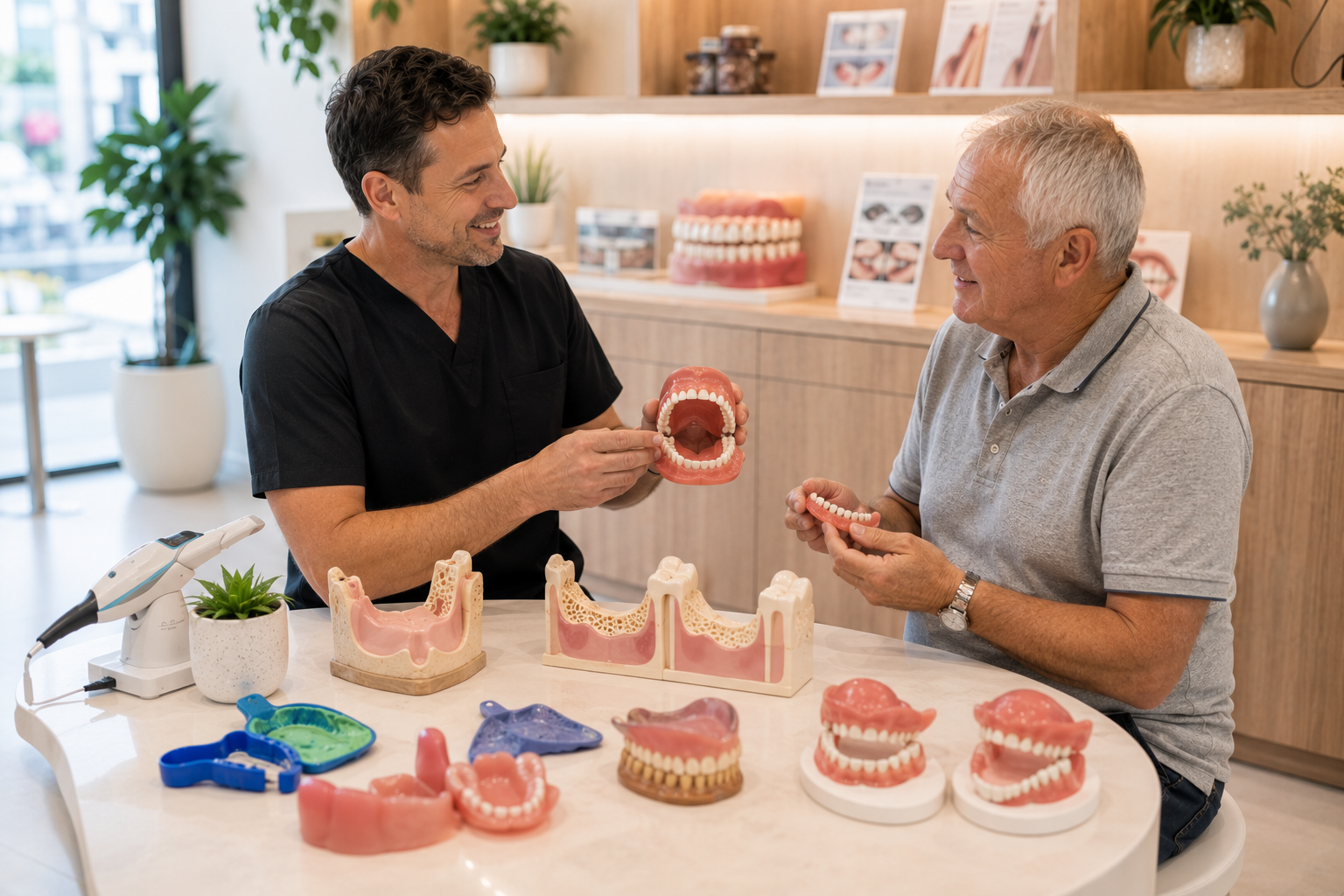
Key Takeaways
A few key ideas help everything fall into place before you read the finer detail. These short points give a quick overview of how relines keep dentures comfortable for Gympie locals.
-
A denture reline refreshes the inside surface of your existing denture so it matches your current gums, jawbone and bite. For many Australians, this keeps a familiar plate working well for longer rather than jumping straight to a full replacement.
-
Dentures become loose as the jawbone shrinks after extractions and the gums thin with age or health changes. Research in the Journal of Oral Rehabilitation shows bone loss is most rapid in the first 6 to 12 months, which is why early denture wearers often need a reline quite soon.
-
Hard relines suit stable gums and people who want a firm, long‑lasting fit, while soft relines or temporary liners cushion tender or healing gums. Your dentist weighs up comfort, gum health and budget before suggesting the best option.
-
Signs that it is time to book a reline check include slipping plates, sore spots, more adhesive than before, food under the denture and changes in speech or facial support. Leaving these problems can lead to ulcers, infections and difficulty eating.
-
Mary Street Dental Gympie offers gentle denture reviews, relines, repairs and long‑term support for patients from Gympie, Wide Bay, Mary Valley, Goomeri, Tin Can Bay and nearby communities, with options for DVA card holders, HICAPS claiming and DentiCare payment plans.
“If your denture has started to move, click or rub, it’s usually your gums that have changed – not that the plate has ‘failed’.” – Dr David, general dentist (paraphrased clinical advice)
What Is A Denture Reline And How Does It Help Loose Dentures?
A denture reline is a way to renew the inner surface of a denture so loose plates fit snugly on the gums again. Instead of starting from scratch, the dentist refreshes the side that touches the tissue so it matches the mouth as it is today. For many Gympie and Wide Bay patients, relines restore comfort and chewing while keeping a familiar smile.
During a reline, the dentist uses the existing denture like a tray, takes a precise impression inside it and sends it to a dental laboratory. The technician removes the old fitting surface and replaces it with fresh acrylic or a cushioning material that hugs the new shape of the gums. According to the NHS, most dentures last around five to ten years before full replacement, and relining along the way helps them stay serviceable during that time.
Relines are usually far more affordable than completely new dentures, which matters for seniors, veterans and families on fixed incomes. Mary Street Dental Gympie often recommends a reline when the teeth and base are still in good shape, but the fit has slipped due to normal bone changes. That way, patients can improve comfort without losing a denture they still like the look of.
How A Reline Differs From Getting New Dentures
A reline refreshes the “inside” of a denture while a new denture replaces everything, from the pink base to the artificial teeth. If the teeth still look natural and the acrylic is sound, a reline is often enough to solve looseness or sore spots. When teeth are worn flat, cracked or stained, a new denture usually gives a better result.
Here is a simple comparison.
| Option | What Changes | Best When |
|---|---|---|
| Reline | Inside surface only | Denture looks fine but feels loose |
| New denture | Teeth and base | Denture is old, worn, damaged or ill‑shaped |
At Mary Street Dental Gympie, the dentist examines your mouth, gums and plates before suggesting either a reline, a new denture, or sometimes a staged plan that uses both over time.
What Happens During A Professional Denture Reline
A professional reline visit at Mary Street Dental Gympie usually starts with a relaxed chat about comfort, chewing and any worries about treatment. The dentist checks your gums, tongue, palate and the condition of your plate, and will talk about options such as hard or soft relines. If areas are very tender, a numbing gel or local anaesthetic can make the process easier.
The key step is an impression inside your denture:
-
The dentist trims a little acrylic from the fitting surface.
-
A special impression material is placed inside the plate.
-
The plate is seated in your mouth while you bite gently and move your lips and cheeks.
This records how your denture needs to sit during normal talking and eating. The plate then goes to a local dental lab where the old inner surface is replaced with new material, polished and returned for fitting.
At the fitting visit, the dentist checks the bite, trims any tight spots and smooths edges. Small follow‑up adjustments are common as your gums settle against the refreshed fit, and the team at Mary Street Dental Gympie encourages patients to return if anything still feels rough or sore.
Why Do Dentures Become Loose Or Uncomfortable Over Time?
Dentures become loose or uncomfortable over time because the jawbone and gums keep changing long after teeth are removed. Even the best‑made denture is a snapshot of how the mouth looked on the day it was fitted. As bone shrinks, tissue thins and health shifts, that snapshot no longer matches real life, which is where relines come in.
Ageing, general health conditions and normal wear on the denture itself also play a part. Acrylic can wear, teeth can flatten and tiny stress cracks can appear after years of chewing. According to the Australian Institute of Health and Welfare, a large share of older Australians wear some form of denture, so these gradual changes are common and nothing to feel embarrassed about.
Natural Changes In Your Gums And Jawbone
After a tooth is removed, the bone that once held it no longer receives chewing pressure and slowly shrinks back. Studies in the Journal of Prosthetic Dentistry show that a large part of this bone loss happens in the first year, then continues at a slower rate throughout life. That means the ridge under a denture becomes lower and narrower over time.
As the ridge drops away, suction reduces for upper plates and stability drops for lower plates. Gums can also thin with age, dry mouth and health issues such as diabetes or arthritis. Patients at Mary Street Dental Gympie often notice:
-
more movement when talking or eating
-
sore spots along the edges
-
red or shiny patches under the plate
All of these are signs the denture no longer matches the current bone and tissue.
Lifestyle, Health And Wear-And-Tear Factors
Lifestyle and general health also influence how dentures feel. Significant weight loss or gain changes the way cheeks and lips support the denture, and medications that dry the mouth can increase friction on the gums. Conditions such as osteoporosis and long‑term steroid use can speed up bone changes around the denture.
Over many years, the acrylic base may absorb water, wear slightly or pick up tiny warps from heat. Denture teeth can flatten, which alters the bite and can make plates rock during chewing. For partial dentures, remaining natural teeth can move or be removed, and clasps can loosen.
During regular denture maintenance visits, the team at Mary Street Dental Gympie keeps an eye on these gradual shifts and talks with patients about when relines or other adjustments make sense.
What Are The Different Types Of Denture Relines?
Different types of denture relines suit different mouths, stages of healing and comfort needs. The main options are hard relines, soft relines and temporary or tissue‑conditioning liners. All aim to refresh the fit, but they feel and last a little differently.
-
A hard reline uses a firm acrylic similar to the original denture base.
-
A soft reline uses a cushioning, rubber‑like material that is kinder to sore gums.
-
Temporary or tissue‑conditioning liners are very soft and short term, used while gums heal or settle.
In a Gympie clinic like Mary Street Dental Gympie, the dentist talks through each option so the plan matches your situation and budget.
| Type | Best For | Comfort Feel | Usual Lifespan* |
|---|---|---|---|
| Hard reline | Stable gums and bone | Firm, secure | Often several years |
| Soft reline | Tender or thin gums | Cushioned | Months to a couple of years |
| Temporary liner | Healing or inflamed gums | Very soft | Weeks to a few months |
*Actual lifespan varies, so regular checks are still important.
Hard Reline Denture: When Is A Firm Fit Best?
A hard reline replaces the tissue side of the denture with new, rigid acrylic that hugs the updated shape of the ridge. This option suits people with generally healthy gums and a reasonable amount of bone support who want strong chewing and fewer repeat visits. Many full upper or lower plates that feel loose, but still look good, respond very well to this type of reline.
The main advantages are:
-
Durability – the material usually lasts longer than soft liners
-
Stability – a firm fit can improve chewing and speech
-
Less staining – hard acrylic tends to pick up fewer stains than softer materials
On the other hand, a firm acrylic surface can feel sharp on very thin or sore gums, so some patients need a softer option at least for a while. Hard relines usually require the plate to stay in the lab for several hours or overnight, so planning around work or social events is helpful.
“Think of a hard reline as re‑moulding a shoe sole so it hugs your foot again, rather than buying brand new shoes.” – Clinical analogy used by many prosthodontists
Soft Reline Denture And Temporary Relines For Sore Gums
A soft reline adds a flexible, cushioned layer to the inside of the denture, using silicone or soft acrylic. This suits people with fragile gums, bony ridges that rub, or medical conditions that slow healing. New denture wearers in Gympie often start with a soft reline after extractions while tissues settle, then shift to a hard reline later.
Soft liners spread biting pressure more gently and often reduce ulcers and burning spots almost straight away. The trade‑off is:
-
a shorter lifespan
-
a higher chance of staining
-
the need for very gentle cleaning so the surface does not roughen
Temporary or tissue‑conditioning relines use an even softer, gel‑like material during periods of healing or inflammation. They calm the gums, make everyday life easier and give the dentist a clearer picture of how the mouth is changing before a longer‑lasting reline or new denture.
How Do I Know If I Need A Denture Reline?
Knowing if you need a denture reline comes down to changes in fit, comfort, appearance and confidence. When a plate that once felt stable begins to slip, rub or rely on more adhesive, your gums and jawbone have probably changed shape. At that point, a professional review at Mary Street Dental Gympie is safer than putting in more glue or leaving dentures in the cupboard.
The main warning signs fall into a few groups. Some relate to how the denture moves during daily life, while others show up as sore areas, changes in your bite or differences in how your face looks in the mirror. According to the American College of Prosthodontists, many denture wearers need adjustments within the first year, so you are not alone if things feel different sooner than expected.
Common Signs Your Denture Fit Has Changed
Several everyday clues suggest your denture fit has shifted. It is worth booking a check if you notice:
-
Your plate slips or rocks when you talk, laugh or eat
-
You keep pushing it back into place with your tongue
-
You need far more adhesive than you used to
Comfort changes matter too. Watch for:
-
Sore spots, ulcers, or red shiny patches under the plate
-
Gums that feel bruised or tired by the end of the day
-
Avoiding certain foods because chewing feels like hard work
Appearance and speech can also change:
-
Deeper lines at the corners of the mouth
-
Lips that look less supported or a “sunken” look
-
New lisping, whistling or clicking sounds when you speak
Bad breath, frequent fungal infections and visible gaps between the denture and gums are further signs that a reline or other adjustment is overdue. The dentists at Mary Street Dental Gympie encourage patients to call as soon as they notice two or more of these changes rather than waiting for things to become very painful.
How Often Should Dentures Be Relined Or Checked?
Most people benefit from a denture and mouth check at least once a year, even if everything seems fine. The Australian Dental Association supports regular oral reviews for denture wearers to monitor tissue health and plate fit. In the first year after extractions, soft or temporary relines may be needed several times as gums shrink quickly.
After that early phase, many full denture wearers require a reline roughly every two to three years, although health and lifestyle can shorten or lengthen this gap. Major weight change, osteoporosis, some long‑term medications and uncontrolled diabetes tend to speed up changes in fit. Bringing your dentures to every appointment at Mary Street Dental Gympie allows the team to assess bite, wear and hygiene and talk through the right timing for relines.
Tip: If you cannot remember your last denture check, it is usually time to book one.
What Is The Denture Reline Process Like At Mary Street Dental Gympie?
The denture reline process at Mary Street Dental Gympie focuses on gentle care, clear explanations and a smooth path from loose plate to comfortable fit. From the first phone call, the team aims to keep visits simple for Gympie and Wide Bay patients, including those who feel nervous about dental care. Most relines follow the same broad steps, adjusted to your mouth and medical history.
When you arrive, you can talk about what bothers you most, such as sore spots, slipping plates or worry about appearance. The dentist examines your gums, tongue, palate, jaw joints and existing dentures, sometimes with digital X‑rays where helpful. Together, you discuss whether a hard, soft or temporary reline suits you best, or whether a new denture would offer better long‑term value.
Step-By-Step: From Assessment To Comfortable New Fit
Once you agree on a plan, the usual steps are:
-
Preparing the denture – any sharp areas are smoothed and the inside surface is lightly trimmed.
-
Taking the impression – a special material goes inside the plate, which is then seated carefully in your mouth while you sit upright. You may be asked to bite gently, smile, say a few words and move your lips and cheeks so the impression records real‑life movements.
-
Laboratory work – the denture, with the impression still inside, is sent to a trusted dental laboratory in Queensland where technicians replace the old fitting surface with new material, cure it and polish it.
-
Fitting and fine‑tuning – back at Mary Street Dental Gympie, the dentist checks how the relined plate sits, uses coloured paste to spot pressure points, and makes fine adjustments before you head home.
Depending on the type of reline and lab schedule, this can be a same‑day service or may take up to a couple of days.
Before you leave, you receive clear advice about:
-
how long to wear the denture in the first day or two
-
what to eat while things settle
-
how to clean the new surface
-
when to return for review
This follow‑up visit is a standard part of relines and gives you a chance to raise any small niggles.
Comfort, Sedation And Ongoing Support For Denture Wearers
Many adults feel anxious about dental treatment, especially if they remember extractions done years ago with less gentle care. Mary Street Dental Gympie welcomes patients who feel this way and offers a slow, step‑by‑step style with regular pauses. Very sore spots can be numbed with gel or local anaesthetic so impressions and adjustments do not hurt.
For suitable patients with stronger anxiety, nitrous oxide, often called “happy gas”, or IV twilight sedation may be available, with careful screening and monitoring. The practice regularly cares for seniors, DVA card holders and patients who travel from Goomeri, Mary Valley, Tin Can Bay and Rainbow Beach, and can allow extra time where needed.
Ongoing support includes:
-
regular denture reviews
-
relines and repairs
-
advice on cleaning products
-
help with health fund rebates through HICAPS or interest‑free DentiCare plans
How Can I Look After My Relined Dentures So They Stay Comfortable?
Looking after relined dentures keeps them comfortable for longer and protects the health of your gums. Good daily cleaning, sensible eating habits and regular check‑ups work together to maintain a snug fit. A little care at home also reduces the risk of fungal infections and bad breath.
The basics are simple. Plates should come out each day for thorough cleaning, and your mouth needs attention as well, even if you have no natural teeth left. According to Colgate Oral Care Center, sleeping with dentures in every night increases the risk of mouth infections, which is another reason most dentists suggest resting the tissues overnight.
Daily Denture Care Tips And Maintenance
For most people, a straightforward routine works well:
-
After meals
-
Take your dentures out and rinse away loose food.
-
This quick step stops debris drying on the surface and reduces odour.
-
-
Once a day clean
-
Use a soft denture brush or soft toothbrush with a non‑abrasive cleaner (never standard toothpaste) to scrub all surfaces, paying extra attention to the fitting side that sits against your gums.
-
Rinse well with water afterwards.
-
-
Care for your mouth
-
Gums, tongue and palate also need gentle brushing or wiping with a soft brush or damp cloth.
-
This keeps blood flow healthy and removes plaque that could irritate the tissue under the denture.
-
-
Overnight storage
-
At night, unless your dentist has said otherwise in the first day after a reline, remove the plates and store them in plain water or a suitable soaking solution so they do not dry out or warp.
-
Soft relines need a little extra care. Avoid very hot water, harsh cleaners or stiff brushes that might damage the soft layer. Brush gently, rinse well and check with the team at Mary Street Dental Gympie about which cleaning tablets are safe for your liner.
In the first few days after a reline, it is sensible to:
-
start with softer foods
-
cut hard items like apples into small pieces
-
go easy on very sticky foods that tend to pull on the plate
When Denture Fit Problems Need Urgent Attention
Some denture problems should not wait for a routine visit. Contact a dentist promptly if you notice:
-
a sudden fracture, broken clasp or a crack that makes the plate rock badly
-
sharp edges or exposed metal that could cut the cheeks or tongue
-
severe ulcers, swelling, heat, pus or fever
-
for implant‑retained dentures, sudden major looseness on one side or pain near an implant
Home “glues” and denture reline kits from the chemist might patch things for a day or two, but they often trap bacteria, damage the plate and hide the real cause. Mary Street Dental Gympie keeps space for urgent denture repairs and relines where possible, so phoning early in the day gives the best chance of a same‑day appointment.
In Summary
Loose dentures are a normal part of life after tooth loss, not a sign of personal failure or “bad” plates. As the jawbone shrinks and gums change, even a well‑made denture will eventually move more, rub or rely on extra adhesive. Relines refresh the inside surface so the plate hugs the current shape of the mouth again, often restoring comfort, chewing and speech without the cost of a full remake.
Hard relines suit many patients whose gums are fairly stable and who want a firm, long‑lasting feel. Soft and temporary liners help when tissue is thin, sore or still healing, or when medical conditions make gums fragile. Recognising early signs such as slipping plates, sore spots, changes in facial support, bad breath or more frequent infections means you can act before problems limit what you eat or how you socialise.
Mary Street Dental Gympie brings decades of local experience, modern equipment and a kind, unhurried style to denture care for Gympie and the Wide Bay region. The team helps patients weigh up relines versus new dentures, explains costs clearly and offers support for DVA card holders, health fund members and families who prefer payment plans.
If your dentures no longer feel like old friends, now is the time to book a denture assessment. A gentle review at Mary Street Dental Gympie can confirm whether a simple reline will restore comfort, stability and function, so you can eat, speak and smile with confidence again.
Frequently Asked Questions
Question: How Much Does A Denture Reline Cost In Australia?
A denture reline in Australia usually costs far less than a brand new denture. The fee depends on whether the reline is hard, soft or temporary, whether one or both plates are treated, and how complex the case is. At Mary Street Dental Gympie you receive a clear written quote first, and health fund rebates, DVA cover and interest‑free DentiCare plans can all help with affordability.
Question: Is A Denture Reline Painful Or Uncomfortable?
A denture reline is generally quite gentle and most patients feel only mild pressure from the impression material and the tighter fit. If your gums are very sore, the dentist can use numbing gel or local anaesthetic to keep you comfortable. At Mary Street Dental Gympie the team uses a calm, step‑by‑step style and can offer sedation options for very anxious patients.
Question: How Long Does A Denture Reline Take And Will I Be Without My Denture?
The reline process usually involves an assessment and impression at one visit, then lab work that may take several hours to a couple of days. For many hard relines you might be without your denture for part of a day or overnight, so planning ahead is helpful. Some soft or chairside temporary relines can be done in a single visit while you stay in the clinic.
Question: Can I Use A Denture Reline Kit At Home Instead Of Seeing A Dentist?
Home denture reline kits exist, but they often give a poor fit, trap infection and may permanently damage the denture. They also do not include a full mouth examination to check for ulcers, fungal infections or other conditions. Professional relines at Mary Street Dental Gympie use quality materials, precise impressions and proper follow‑up, so home kits are best seen as very short‑term patches only.
Question: Will A Reline Change How My Denture Looks Or My Smile?
A reline changes the fitting surface of your denture, not the visible teeth, so most people look just the same or slightly better supported in the lips and cheeks. If you are unhappy with the colour, shape or age of your current denture, your dentist may suggest planning a new plate instead of, or as well as, a reline so your appearance also improves.
Question: How Do I Book A Denture Reline Or Assessment At Mary Street Dental Gympie?
Booking a denture reline or assessment at Mary Street Dental Gympie is simple. You can phone the practice during business hours or submit an appointment request through the website, mentioning your denture concerns so enough time is allowed. Seniors, veterans and anxious patients are welcome to raise any needs around sedation, transport or payment, and the central Mary Street location makes visits easy for people from across Gympie and the Wide Bay region.
Ready to feel more comfortable in your dentures? Contact Mary Street Dental Gympie today to book your denture assessment and find out whether a soft or hard reline could be the right next step for you.