
Yes, it is safe to visit the dentist while you are pregnant, and regular care is recommended. Good dental treatment supports pregnancy and oral health, keeping both you and your baby more comfortable. Most changes in the mouth during pregnancy are temporary and respond well to gentle home care and professional visits.
Hormonal shifts, food cravings, morning sickness and tiredness can all upset the balance in your gums and teeth. Without a simple plan, bleeding gums, tooth sensitivity or decay can sneak up during these busy months. Looking after your mouth is one practical way to look after your general health and your growing baby.
Mary Street Dental in Gympie supports many expectant mums across Gympie, Mary Valley and the wider Wide Bay region. The team focuses on gentle treatment, clear explanations and modern technology that suit each stage of pregnancy. Keep reading for practical advice on keeping your smile healthy before, during and after your baby arrives.
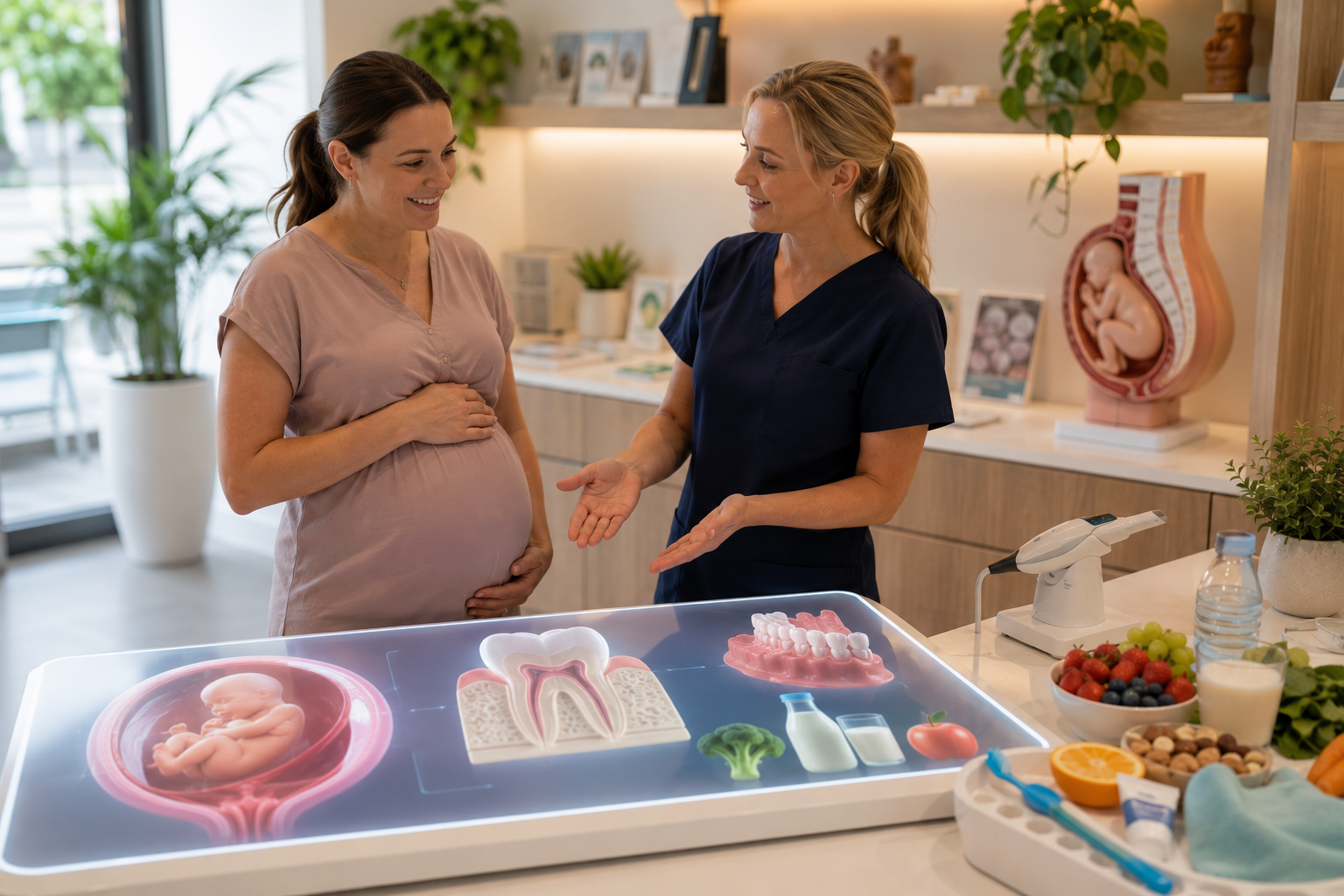
Key Takeaways
This quick overview highlights the main messages before we explore pregnancy and oral health in more detail. You can return to these points whenever you feel short on time.
-
Pregnancy hormones and gums: Pregnancy hormones can make gums swell and bleed more easily. This is called pregnancy gingivitis. Regular cleans and home brushing usually settle it.
-
Routine dental care is safe: Dental check ups and cleans are safe in pregnancy. Most fillings and gum care are safe too. The second trimester often feels most comfortable for treatment.
-
Morning sickness and decay risk: Vomiting and reflux coat teeth in strong acid. Rinse with water, then wait before brushing. Keep sweet snacks mainly to mealtimes.
-
Know the red flags: Severe pain, swelling, pus or tooth injuries need urgent dental care. Bleeding gums that stay sore also need a visit. Do not ignore worrying symptoms.
-
Gentle support close to home: Mary Street Dental Gympie supports many mums in Gympie. The team offers gentle, personalised care at each visit. Modern equipment helps keep treatment efficient and comfortable.
How Does Pregnancy Affect Your Teeth And Gums?
Pregnancy changes how teeth and gums behave by affecting hormones, saliva, immunity and daily habits. These shifts can increase the chance of gum inflammation, tooth decay and enamel wear. Understanding what is happening makes it easier to protect your mouth.
During pregnancy, levels of oestrogen and progesterone rise, which influences blood flow and how your body responds to plaque, as explored in research on the impact of oral health and dental care among women of reproductive age. Your immune system also adjusts to support your baby, which can make gums react more strongly to bacteria. On top of that, nausea, cravings and tiredness can make brushing and flossing feel harder than usual.
According to the Australian Dental Association, gum problems are very common in pregnant women. The good news is that simple, steady care usually keeps these changes under control. Mary Street Dental Gympie helps expectant mums understand these changes and build a realistic plan that fits their energy levels and routines.
“Pregnancy is a time to support your oral health, not put it on hold.” – Adapted from Australian Dental Association guidance
Pregnancy Hormones, Gums And Pregnancy Gingivitis
During pregnancy, increased oestrogen and progesterone make gum tissues more sensitive to plaque on the teeth. Even a normal amount of plaque can trigger redness, swelling and bleeding when you brush or floss. This pregnancy gingivitis is common, but it should not be ignored.
Guidance from the American College of Obstetricians and Gynecologists notes that many pregnant women will show some signs of gingivitis, especially in the middle months. If plaque stays on the teeth, gum inflammation can progress to periodontitis, a more serious disease that affects the bone around teeth. Reviews summarised by the World Health Organization link severe gum disease with a higher chance of preterm birth and low birth weight.
To keep gums as healthy as possible:
-
Brush twice daily with fluoride toothpaste.
-
Clean between teeth once a day with floss or interdental brushes.
-
See your dentist for professional cleans and gum checks.
Twice daily brushing, daily interdental cleaning and regular professional cleans remove the film of bacteria that irritates your gums. At Mary Street Dental Gympie, the team checks your gum health carefully and designs a simple home plan that fits how you live.
Morning Sickness, Reflux And Tooth Enamel
Morning sickness and reflux affect your teeth by bathing them in strong stomach acid. This acid softens the outer enamel layer, especially on the inside of front teeth and the chewing surfaces of molars. Over time, softened enamel can wear away, leaving teeth sensitive, yellow or chipped.
Advice from the Australian Dental Association recommends avoiding brushing straight after vomiting. Brushing too soon can scrub away the softened enamel. Instead:
-
Rinse your mouth with plain water, or a bicarbonate soda mix if your dentist suggests it.
-
Spit out, but do not brush straight away.
-
Wait about thirty minutes before brushing gently with fluoride toothpaste.
Frequent snacking on sweet drinks or sugary foods also feeds the bacteria that cause decay. Try to keep sweet foods to main meals and choose water or plain milk between meals. Mary Street Dental Gympie can suggest fluoride products and remineralising pastes to strengthen enamel for mums who are dealing with frequent nausea or reflux.
What Common Dental Problems Happen During Pregnancy?
Certain dental problems appear more often during pregnancy because of these hormonal and lifestyle changes. Common issues include:
-
Bleeding gums and pregnancy gingivitis
-
Small gum growths (pregnancy tumours)
-
Increased tooth decay
-
Enamel erosion from acid
-
Dry mouth
Some of these settle with home care, while others need timely treatment.
Understanding what is fairly common can stop you worrying unnecessarily. Just as important is knowing which symptoms are warning signs that need a prompt dental appointment. Early care usually means simpler, more comfortable treatment for both you and your baby.
A friendly local team, such as Mary Street Dental Gympie, can talk through any new symptoms, check your mouth thoroughly and explain which changes are temporary and which need treatment.
Gum Problems, Pregnancy Tumours And Bleeding Gums
Gum problems in pregnancy often start with redness, puffiness and bleeding when you brush or floss. Gums may feel tender, look shiny or leave a pink stain on your toothbrush. In many cases this is pregnancy gingivitis, triggered by plaque together with hormone changes.
Some mums notice a raised lump on the gum that bleeds easily when touched. This can be a pregnancy tumour, also called a pyogenic granuloma, which is a benign growth rather than cancer. Many of these shrink after birth, especially when plaque and tartar around the area are cleaned away.
If a gum lump:
-
Interferes with eating
-
Makes brushing difficult
-
Bleeds often or feels painful
your dentist may advise gentle removal. This is usually done in the second trimester with local anaesthetic, which is considered safe in usual dental doses. Mary Street Dental Gympie provides a calm, no judgement environment and focuses on gentle cleaning around sensitive areas so your gums can settle without added discomfort.
Tooth Decay, Dry Mouth And Pregnancy Teeth Problems
Pregnancy itself does not pull calcium out of your teeth, but it can raise decay risk. Frequent snacking, sipping sweet drinks and rushed brushing when you feel exhausted give mouth bacteria more chances to attack enamel. Dry mouth from vomiting, some medicines or mouth breathing also reduces the natural protection of saliva.
Research from the Centers for Disease Control and Prevention shows that many women of childbearing age already have untreated tooth decay. Treating small cavities during pregnancy prevents them from growing into painful infections later when you are busy caring for a newborn. Early signs include:
-
Sensitivity to cold or sweet foods
-
Rough edges you can feel with your tongue
-
Yellow or brown spots or pits
To limit pregnancy teeth problems:
-
Sip water often, especially between meals.
-
Chew sugar free gum if suitable for you.
-
Pick tooth friendly snacks such as cheese, nuts if safe for you, yoghurt without added sugar and whole fruit.
-
Brush twice a day with fluoride toothpaste and clean between teeth once daily.
Regular check ups and fluoride treatments at Mary Street Dental Gympie help catch early decay before it turns into an emergency.
Is Dental Treatment Safe During Pregnancy?
Most dental care is safe during pregnancy when planned with your dentist, and assessment of the quality of guidelines on oral health care during pregnancy confirms that evidence-based recommendations consistently support continuing routine dental visits. In fact, health bodies encourage regular care rather than delaying everything until after birth. Preventive visits, fillings and gum treatment support both oral and general health at each stage.
The type and timing of treatment may change slightly across the trimesters:
-
Urgent problems such as infection, swelling or trauma are treated whenever they appear.
-
Non urgent work can often be spaced out or timed for when you feel most comfortable.
Professional guidance from groups such as the Royal Australian College of General Practitioners and Australian Dental Association supports appropriate dental care in every trimester. Your dentist will always weigh the benefits of treatment against any possible risks, and for most routine care the benefits are clear.
“Appropriate dental care during pregnancy is safe and recommended.” – Royal Australian College of General Practitioners
Safe Dental Care By Trimester And Common Treatments
In the first trimester, the focus is on diagnosis, prevention and dealing with urgent problems. You can safely have:
-
A full examination
-
Gentle clean
-
X rays if there is a pressing concern such as pain or trauma (with protective shielding)
Many elective procedures, like teeth whitening or major cosmetic changes, are usually postponed.
The second trimester is often the most comfortable time for dental visits. Morning sickness usually settles and lying back in the chair is easier. Treatments commonly planned now include:
-
Fillings
-
Non surgical gum treatment
-
Root canal therapy if needed
-
Simple extractions
-
Removal of pregnancy tumours that cause pain or frequent bleeding
In the third trimester, appointments still matter, but visits are often shorter and the chair is kept more upright. Your dentist may place a small pillow under one hip to support blood flow and comfort. Urgent issues such as infection, swelling or broken teeth are treated promptly at any stage, because leaving them carries more risk than pregnancy appropriate dental care.
X-Rays, Local Anaesthetic, Medications And Sedation
Modern dental X rays use a very low radiation dose focused on the mouth. According to Royal Australian College of General Practitioners advice, necessary dental X rays with a lead apron are considered safe during pregnancy. The danger from leaving an infection undiagnosed is much higher than the tiny exposure from a carefully taken image.
Local anaesthetics such as lignocaine, with or without adrenaline, have strong records of safe use in dental care for pregnant patients. Good numbness lets treatment happen calmly, reducing stress on both you and your baby. For pain after treatment, paracetamol is usually first choice, while some anti inflammatory medicines are avoided later in pregnancy.
Antibiotics such as penicillins and some cephalosporins are commonly used when dental infections occur, chosen carefully together with your medical team. Nitrous oxide and other sedatives are used cautiously because many medicines cross the placenta, so non drug calming methods come first. At Mary Street Dental Gympie, any sedation for pregnant patients is discussed closely with your dentist, GP and obstetric provider before it is considered.
How Can You Look After Your Teeth At Home While Pregnant?
Looking after your teeth at home during pregnancy relies on steady daily habits rather than perfect routines. Small, repeated actions protect gums and enamel, even on days when you feel tired or nauseous. The aim is to keep plaque and acids under control while working with how you feel.
A simple plan you can stick with is far better than a perfect plan that feels impossible. Focus on a few key habits you can keep most days. Your dentist or hygienist can then add small tweaks that suit your own situation.
These habits not only protect your mouth but also model healthy routines for older children watching you brush and care for your teeth.
Daily Brushing, Flossing And Coping With Nausea
Aim to brush twice a day for two minutes with a soft toothbrush and fluoride toothpaste. Angle the bristles toward the gumline and use small, gentle circles so you clean both gums and teeth. Avoid hard scrubbing, which can wear away enamel and irritate tender gums.
If your gag reflex is stronger, try:
-
A smaller brush head, or even a children’s toothbrush
-
Starting with the back teeth and brushing in short bursts with breaks
-
Breathing slowly through your nose while you brush
Some mums find that brushing at a different time of day, when nausea is milder, also helps.
Clean between your teeth once daily with floss, interdental brushes or a water flosser, whatever feels most practical. If your gums bleed at first, carry on gently, as bleeding usually shows inflammation rather than damage. At Mary Street Dental Gympie, the team can demonstrate personalised techniques and suggest products that suit your energy levels and morning sickness pattern.
Tip: If toothpaste flavour makes you feel sick, ask your dentist about milder flavours or low foaming options.
Eating, Drinking And Managing Dry Mouth For Healthy Teeth
What and how often you eat affects your teeth during pregnancy. Frequent grazing on sweet foods keeps acid levels high for longer than teeth can repair. Try to keep sugary snacks and drinks to mealtimes, when saliva and food buffering offer extra protection.
Choose tooth friendly options such as:
-
Cheese cubes or slices
-
Nuts, if safe for you
-
Yoghurt without added sugar
-
Veggie sticks and hummus
-
Whole pieces of fruit rather than juice
Drink tap water as your main beverage, because fluoridated town water helps reduce decay for the whole family. For homes that mostly use tank or bore water, ask your dentist about extra fluoride pastes or varnishes.
Dry mouth can follow vomiting, some medicines or mouth breathing and it raises decay risk because there is less saliva. To ease dry mouth:
-
Sip water often throughout the day.
-
Suck sugar free lozenges.
-
Chew sugar free gum if your doctor agrees, to stimulate saliva.
Community fluoridation lowers tooth decay by about a quarter, as reported by Queensland Health, so town water is helpful whenever you can access it.
When Should You See A Dentist While Pregnant – And Why Choose Mary Street Dental Gympie?
Seeing a dentist before or early in pregnancy allows problems to be found and treated before they flare. During pregnancy, new symptoms such as pain, swelling or heavy gum bleeding also call for prompt care. A trusted local practice makes it easier to seek help quickly.
Routine visits let your dentist:
-
Monitor gum changes
-
Top up fluoride protection
-
Repair small problems before they grow
Emergency appointments are there for sudden toothache, swelling or injuries. Both types of care play a part in keeping you comfortable through each trimester.
Mary Street Dental Gympie offers both routine and emergency appointments with a gentle, family focused approach for patients across Gympie and the Wide Bay region. The team understands local families may travel from towns such as Tin Can Bay, Rainbow Beach and Mary Valley, and works hard to make each visit worthwhile.
Routine Pregnancy Check-Ups, Emergencies And Red-Flag Symptoms
Ideally, book a dental check up when planning pregnancy or as soon as you know you are expecting. If your last visit was some time ago, there is no need to feel embarrassed, just let the team know and start from where you are. Most mums benefit from at least one check up and clean during pregnancy, with extra visits if gum disease or decay is active.
Red flag symptoms include:
-
Ongoing toothache
-
Facial or gum swelling
-
Pus or bad taste in the mouth
-
Trauma, loose or broken teeth
-
Uncontrolled gum bleeding
Fever, trouble swallowing or pain that stops you sleeping are also reasons to seek urgent care. According to Australian Dental Association guidance, treating dental infections promptly is safer for mother and baby than leaving them.
At an emergency appointment, the dentist will examine the area, may take targeted X rays and then provide treatment to ease pain and control infection. You may receive pregnancy safe pain relief and antibiotics, plus a plan for follow up once things have settled. Mary Street Dental Gympie keeps emergency spaces each day so pregnant patients from Gympie and surrounding areas can be seen quickly.
Gentle, Family-Focused Care At Mary Street Dental Gympie
Mary Street Dental Gympie has supported local families for more than thirty years, welcoming parents, children, seniors and veterans. As a family owned practice in central Gympie, the team takes time to listen and work at your pace. Many mums and mums to be value the calm, no judgement approach and clear explanations.
Services that support pregnancy and oral health include regular check ups, professional cleans, gum disease treatment, fillings, crowns and emergency care. The practice uses digital X rays and modern equipment to keep visits efficient while still feeling personal. Where helpful, the team works with your GP or obstetric provider so dental treatment fits smoothly into your overall pregnancy care.
Payment options include health fund rebates, Veterans Affairs support for eligible patients and the Child Dental Benefits Schedule for children. Families from Wide Bay, Mary Valley, Tin Can Bay and Rainbow Beach appreciate having gentle care for all ages in one familiar clinic. If you feel nervous about dental visits, staff can offer extra time, clear step by step explanations and, when suitable, carefully planned sedation options.
To Sum Up
Pregnancy has a strong effect on your mouth because hormones, morning sickness and changing routines all influence how gums and teeth behave. Bleeding gums, pregnancy gingivitis, new decay and enamel erosion are common, but they are usually manageable with good daily care and timely treatment. Looking after pregnancy and oral health together supports your comfort now and helps protect your child’s future dental health.
Guidelines from the Australian Dental Association and American College of Obstetricians and Gynecologists state that routine dental care is safe and recommended during pregnancy. Treating gum disease and dental infections helps limit pain, reduce inflammation in the body and may support healthier pregnancy outcomes. Regular check ups, cleans and advice fitted around each trimester also make it easier to stay on top of things once the baby arrives.
If you are pregnant, planning a baby or caring for young children, consider booking a dedicated pregnancy dental check up. Mary Street Dental Gympie offers gentle, evidence based care with modern equipment, clear communication and flexible appointments for families across Gympie and Wide Bay. Phone the practice or use the online booking page to arrange a visit that fits your stage of pregnancy and your personal needs.
Frequently Asked Questions
These brief answers cover common questions about dental care during pregnancy, so you can get quick guidance when you need it most. They do not replace personal advice, so always speak with your dentist, GP or midwife about your own situation.
Question: Can I Get My Teeth Cleaned While Pregnant?
Yes, a professional scale and clean is safe during pregnancy and is actually recommended to control pregnancy gingivitis. Gentle removal of plaque and tartar reduces gum bleeding, swelling and bad breath. At Mary Street Dental Gympie, the team can shorten visits, adjust chair angles and schedule breaks so you stay comfortable.
Question: What Can I Do About Bleeding Gums During Pregnancy?
Start by brushing twice daily with a soft brush and cleaning between your teeth, even if they bleed a little. Gentle, regular cleaning reduces inflammation and usually settles the bleeding within days or weeks. If gums stay very sore, bleed heavily or you notice lumps, arrange a dental check for professional assessment and cleaning.
Question: Are Fillings And Root Canal Treatment Safe When I’m Pregnant?
Yes, treating decay and infection during pregnancy is usually safer than waiting until after birth. Dentists use local anaesthetic medicines with strong safety records and choose materials suitable for pregnant patients. Most non urgent fillings or root canal treatments are planned in the second trimester, when many mums feel most comfortable in the chair.
Question: How Do I Protect My Teeth If I Have Severe Morning Sickness?
Protect your teeth by rinsing with water after each vomiting episode, then waiting at least thirty minutes before brushing. This pause lets softened enamel reharden so it is less likely to wear away. Ask your dentist about fluoride products for extra protection, and see your GP or midwife for help with nausea and reflux.
Question: When Should I Book My First Pregnancy Dental Check-Up?
Try to have a dental check up when planning a pregnancy, or early in the first or second trimester. A baseline visit lets the dentist treat decay or gum disease before symptoms grow. If any new pain, swelling, lumps or bleeding appear later, arrange another appointment rather than waiting until after the baby arrives.
For personalised advice or to book a pregnancy dental check up in Gympie, contact Mary Street Dental Gympie and speak with the friendly team about the best time to schedule your visit.