
That nagging toothache that vanishes only to reappear can be confusing and frustrating. You might even be tempted to ignore it, hoping it will go away for good. A toothache that comes and goes is almost always a sign of an underlying problem that needs attention. It becomes serious when accompanied by symptoms like swelling, fever, or severe pain, which can indicate a dangerous infection like a dental abscess.
This fluctuating discomfort is your body’s warning signal. The causes can range from simple cavities and cracked teeth to non-dental issues like sinus pressure. Understanding these signs is the first step toward finding lasting relief.
This guide will walk you through the reasons for recurring tooth pain. We will cover what the warning signs are and explain when you should seek professional help. Let’s explore what your toothache is trying to tell you.
Key Takeaways
-
Intermittent tooth pain is a warning sign, not something to ignore.
-
Causes range from decay and cracks to sinus issues or jaw problems.
-
Warning signs like swelling or fever mean it’s serious and needs urgent attention.
-
Temporary relief isn’t a cure; a professional diagnosis is essential.
-
Mary St Dental Gympie offers gentle, local care for all your toothache concerns.
Jump to section
- Why Does My Toothache Come and Go? Understanding Intermittent Pain
- Common Dental Causes of Recurring Tooth Pain
- When Is an Intermittent Toothache Serious? Warning Signs to Look For
- Non-Dental Reasons for a Fluctuating Toothache
- What to Do When Toothache Comes and Goes (And When to See a Dentist in Gympie)
- How Dentists in Gympie Diagnose and Treat Recurring Toothaches
- Don’t Ignore a Fluctuating Toothache
- Frequently Asked Questions
Why Does My Toothache Come and Go? Understanding Intermittent Pain
An intermittent toothache can be puzzling, but understanding why the pain comes and goes reveals a lot about your dental health. This fluctuating discomfort often indicates inflammation within the tooth’s sensitive inner pulp, which contains the nerves and blood vessels. While the pain may temporarily subside, the underlying problem that is causing the inflammation remains and will likely worsen without treatment.
The changes in pain intensity can be influenced by several factors. Simple things like your posture, changes in blood pressure, or the body’s natural inflammatory responses can cause the pain to flare up and then recede. However, this pattern of relief and return is a classic sign that your tooth is trying to signal a deeper issue that requires a professional diagnosis.
The Anatomy of Tooth Pain: What’s Happening Inside?
To understand a toothache, it helps to know the basic structure of a tooth. The hard outer layer is the enamel, and beneath it is a softer layer called dentine. At the very centre is the dental pulp, a collection of soft tissue that includes sensitive nerves and blood vessels, which are the source of tooth pain.
When this pulp becomes irritated or infected, it gets inflamed, a condition known as pulpitis. Because the pulp is housed within the rigid walls of the dentine, the swelling from inflammation creates immense pressure. This pressure squeezes the nerve endings inside, causing the throbbing and aching sensations of a toothache. The pain you feel is a direct result of this internal pressure build-up.
Why Does Tooth Pain Disappear and Then Return?
The ‘comes and goes’ nature of a toothache is often what makes it so deceptive. The pain can fluctuate for several reasons, such as a temporary reduction in inflammation or the short-term effects of pain medication. Even a change in posture can make a difference; lying down increases blood flow to your head, which can intensify the pressure inside an inflamed tooth and make the pain worse.
Dentists distinguish between two types of pulpitis. Reversible pulpitis is when the inflammation is mild and the pulp can heal if the source of irritation is removed. Irreversible pulpitis means the nerve has sustained permanent damage and cannot recover, which often leads to more intense, lingering pain. In either case, temporary relief doesn’t mean the problem is solved, and professional attention is needed to prevent it from escalating.
Common Dental Causes of Recurring Tooth Pain
The most frequent reasons for a toothache that comes and goes are directly related to the health of your teeth and gums. Many of these fluctuating toothaches are caused by progressing tooth decay, hidden cracks, or old fillings that have started to fail, allowing bacteria and other irritants to access the sensitive inner parts of your tooth. These issues often develop slowly, with the pain becoming more frequent as the condition worsens.
Another common source of intermittent pain is gum recession or enamel erosion. When the protective layers of your tooth wear away, the sensitive dentine underneath becomes exposed. This exposure can lead to sharp, temporary pain when you consume hot, cold, or sweet foods and drinks.
Tooth Decay and Cavities: The Silent Invader
Tooth decay is a primary cause of intermittent dental pain. It begins when plaque bacteria on your teeth consume sugars from your diet and produce acid as a byproduct. This acid slowly dissolves the protective outer enamel, and once it penetrates through to the softer dentine layer, it exposes microscopic tubules that lead directly to the tooth’s nerve.
At this stage, the tooth becomes sensitive to temperature changes and sweet foods, causing pain that comes and goes. As the decay gets deeper and moves closer to the dental pulp, the episodes of pain become more frequent and more intense. According to the Australian Institute of Health and Welfare, about one in four Australian adults have untreated tooth decay, highlighting how common this issue is. Addressing decay early is the best way to prevent a minor sensitivity from turning into a major toothache.
Cracked Teeth and Failing Fillings: Hidden Damage
Sometimes, the source of a recurring toothache is structural damage that isn’t easy to see. A microscopic crack in a tooth can cause sharp pain when you bite down, as the pressure flexes the crack open and irritates the pulp. When you release the bite, the pain might disappear, creating a classic intermittent pattern. These cracks can be nearly invisible to the naked eye.
Similarly, old dental fillings can wear down, chip, or develop small gaps around the edges over time. These imperfections allow bacteria and food particles to seep underneath the filling, leading to new decay or pulp irritation. This hidden damage can cause a dull ache or sensitivity that appears without a clear cause. Because these problems are difficult to self-diagnose, a professional dental examination is necessary to find and fix them.
Exposed Roots and Dentine Hypersensitivity
If your gums have started to recede or your enamel has worn thin, you may experience dentine hypersensitivity. Gum recession can expose the root surface of the tooth, which isn’t protected by hard enamel. Enamel erosion, often caused by an acidic diet, aggressive brushing, or teeth grinding, can also expose the sensitive dentine layer underneath.
When dentine is exposed, external triggers like hot coffee, ice cream, or even a breath of cold air can travel through its tiny tubules and stimulate the nerve. This stimulation causes a short, sharp jolt of pain that can feel like it comes in waves. This type of sensitivity is a common reason for a toothache that comes and goes.
When Is an Intermittent Toothache Serious? Warning Signs to Look For
While any recurring toothache needs attention, certain symptoms indicate a serious problem that requires urgent dental care. If your intermittent pain is accompanied by swelling in your face or gums, a fever, or a bad taste in your mouth, you may have a dental abscess, which is a severe infection. This situation demands immediate professional treatment to prevent the infection from spreading.
Other serious conditions can also cause recurring pain. Advanced gum disease can lead to deep infections around the roots of your teeth, while impacted wisdom teeth can create pressure and inflammation. Recognising these warning signs is important for protecting both your oral and overall health.
Dental Abscesses and Infections: Beyond Simple Pain
A dental abscess is a pocket of pus that forms due to a bacterial infection at the root of a tooth or in the gums. This is a serious condition that goes far beyond a simple toothache. The pain from an abscess is often severe, throbbing, and persistent, although it can fluctuate as pressure builds and releases. It’s a clear sign that your body is fighting a significant infection.
The key warning signs of a dental abscess include:
An untreated abscess is dangerous because the infection can spread to your jawbone, surrounding tissues, and even into your bloodstream. This is a dental emergency that requires immediate professional care to drain the infection and treat its source.
Gum Disease and Impacted Wisdom Teeth
Advanced periodontal (gum) disease can also be a source of serious, recurring pain. As the disease progresses, it creates deep pockets between the teeth and gums where bacteria thrive. This can lead to infections around the tooth roots, causing a dull, throbbing ache, swelling, and sometimes making teeth feel loose. If left untreated, severe gum disease can result in tooth loss.
For many young adults, impacted wisdom teeth are another cause of serious intermittent pain. When there isn’t enough room in the jaw, these third molars can become trapped or only partially erupt. A partially erupted wisdom tooth often creates a flap of gum tissue that traps food and bacteria, leading to a painful infection called pericoronitis. Symptoms include a dull ache that radiates to the jaw and ear, stiffness, and facial swelling.
Non-Dental Reasons for a Fluctuating Toothache
Interestingly, not every toothache originates from a tooth problem. Sometimes, the pain you feel in your teeth is actually “referred pain” from another part of your head or neck — a phenomenon documented in a case report on toothache of cardiac origin with a long-term clinical course. Jaw joint disorders, known as TMJ issues, and the habit of teeth grinding can put a strain on your facial muscles, causing pain that feels like a toothache.
Another common non-dental cause is a sinus infection. The roots of your upper back teeth are located very close to your sinus cavities. When your sinuses become inflamed and congested, the pressure can be felt in your teeth, creating a throbbing sensation that mimics a dental problem. A dentist can help you determine if your toothache is truly a dental issue or something else.
Jaw Pain: TMJ Disorders and Bruxism
Your temporomandibular joint (TMJ) acts as a sliding hinge connecting your jawbone to your skull. When this joint isn’t working correctly, it can cause TMJ disorders, which often lead to pain that radiates to the teeth, jaw, and face. You might also notice symptoms like a clicking or popping sound in your jaw, difficulty opening your mouth wide, or chronic headaches.
Bruxism, the involuntary grinding or clenching of teeth, is another major culprit. Many people do this in their sleep without realising it, putting immense pressure on their teeth and jaw muscles. This can lead to a dull, constant ache in the jaw and teeth, often felt most intensely upon waking. Both TMJ issues and bruxism can cause a toothache that comes and goes.
Sinusitis: When Your Sinuses Affect Your Teeth
The connection between your sinuses and your teeth is surprisingly close, especially for your upper molars. The maxillary sinuses are air-filled cavities located in your cheekbones, directly above the roots of your upper back teeth. When you develop sinusitis, an inflammation of the sinuses from an infection or allergies, these cavities can fill with fluid and become swollen.
This build-up creates downward pressure on the nerve endings of your upper teeth, resulting in a dull, throbbing ache that can affect several teeth at once. A key sign of a sinus-related toothache is that the pain often worsens when you bend over or move your head suddenly. You will likely also have other sinus symptoms, like nasal congestion or facial pressure.
What to Do When Toothache Comes and Goes (And When to See a Dentist in Gympie)
When you are dealing with a recurring toothache, it’s helpful to know how to manage the discomfort while you arrange to see a dentist. Temporary home remedies can provide some relief from the pain and swelling, but it’s important to remember that they are not a cure. They simply mask the symptoms without addressing the underlying problem causing the toothache.
For any toothache that is severe, persistent, or keeps coming back, seeing a professional is the only way to get a proper diagnosis and lasting solution. Contacting a local dentist like Mary St Dental Gympie for a same-day emergency appointment can provide quick relief and prevent the issue from becoming more serious.
Temporary At-Home Relief: What Can Help While You Wait?
While you wait for your dental appointment in Gympie, here are some temporary at-home tips to manage the pain:
What to Avoid Doing:
When to Contact a Dentist in Gympie: Don’t Delay!
You should contact a dentist promptly if you experience any severe pain that keeps you awake, visible swelling, fever, or a bad taste in your mouth. You should also make an appointment for any pain that keeps returning, even if it seems mild. The sooner a dental problem is diagnosed, the easier and less invasive the treatment is likely to be.
Pain relief medication only hides the problem; it does not fix it. At Mary St Dental Gympie, we understand that dental pain can be stressful, which is why we offer Same-Day Emergency Appointments. Our experienced and compassionate team in the heart of Gympie is here to get to the root cause of your pain and provide gentle, effective care.
Remember, information found online is general guidance only. For any dental concern, especially severe pain, swelling, fever, facial swelling, pus, bleeding, trauma, difficulty chewing, or pain that keeps returning, it’s always best to speak directly with a qualified dental professional promptly.
When Urgent Medical Care Is Needed (Hospital Emergency)
While most toothaches can be handled by a dentist, some symptoms indicate a life-threatening emergency that requires immediate medical attention. You should call 000 or go to a hospital emergency department if your toothache is accompanied by a few specific signs.
These include rapidly spreading facial swelling that travels down your neck or up towards your eye. Other critical signs are difficulty breathing, swallowing, or speaking. A high fever that is accompanied by confusion or extreme tiredness also warrants an immediate trip to the hospital. These symptoms suggest the infection has spread beyond your tooth and has become systemic.
How Dentists in Gympie Diagnose and Treat Recurring Toothaches
To effectively treat a recurring toothache, the first step is always an accurate diagnosis. A dentist will do more than just look at the sore tooth; they will perform a comprehensive examination to pinpoint the exact cause of your pain. This ensures that the treatment you receive is targeted and effective, providing long-term relief instead of a temporary fix.
At a clinic like Mary St Dental Gympie, the focus is on combining advanced diagnostic tools with a patient-centred approach. We offer a full range of professional treatments, from simple fillings to more complex procedures, all designed to resolve the underlying issue. Our goal is to not only stop the pain but also restore your oral health in a comfortable and stress-free environment.
Accurate Diagnosis: Moving Beyond Guesswork at Mary St Dental
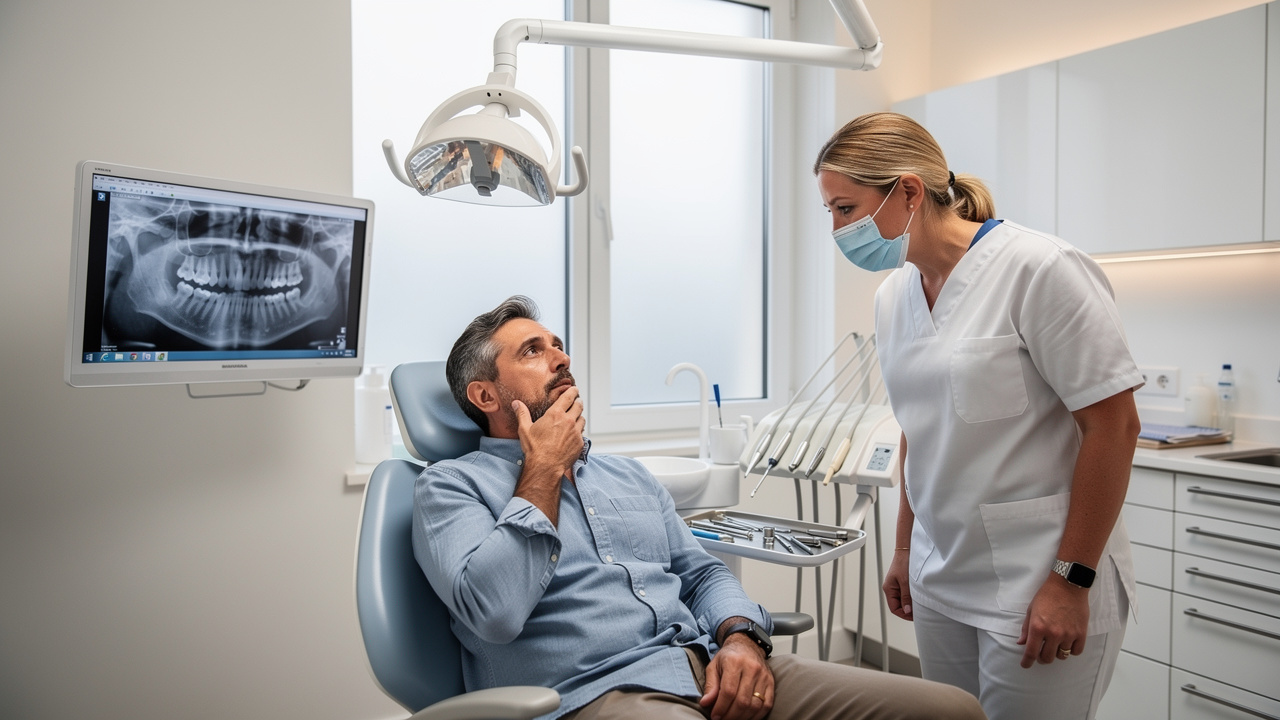
A thorough diagnosis starts with a detailed conversation about your symptoms and dental history. Your dentist will then conduct a clinical examination, checking your teeth for signs of decay, cracks, and wear, and assessing the health of your gums. They may also perform specific tests, like tapping on teeth or applying cold stimuli, to see how they respond.
To see what’s happening below the surface, we use Advanced Diagnostics at Mary St Dental Gympie. This includes Low Dose Digital Radiography and 3D imaging, which allow us to see hidden decay, infections at the root, or hairline fractures with exceptional clarity. By using this technology, we move beyond guesswork to create a personalised treatment plan that is safe, fast, and predictable.
Professional Treatment Options for Lasting Relief
Once the cause of your toothache is identified, your dentist will recommend the best treatment option for you. The treatment for a toothache that comes and goes will depend on the diagnosis.
-
Fillings are used to repair teeth with cavities by removing the decayed portion and sealing the area.
-
CEREC Same-Day Crowns can restore a badly damaged or cracked tooth in a single visit, providing strength and protection.
-
Root Canal Therapy is a procedure to save a tooth with an infected or inflamed pulp. The diseased tissue is removed, and the tooth is cleaned and sealed to prevent future infection.
-
Gum Treatments may be needed if gum disease is the source of your pain. This can involve deep cleaning to remove bacteria from below the gumline.
-
Tooth Extractions are a last resort for teeth that are too damaged to be saved. We can then discuss replacement options like Dental Implants.
-
Anxiety Management and Sedation Dentistry is there for your comfort. We offer options like Nitrous Oxide (“happy gas”) and IV sedation for a completely relaxed experience.
-
Antibiotics may be prescribed to control an acute infection before dental work can be completed, but they are not a standalone cure.
“Ignoring a recurring toothache is like ignoring a smoke alarm,” says Dr. Emily Chen, a general dentist. “It might go quiet for a bit, but the fire is still burning. Early detection and treatment prevent small issues from becoming major emergencies.”
Don’t Ignore a Fluctuating Toothache
A toothache that keeps coming back is your body’s way of telling you that something is not right. Relying on pain relievers or hoping the problem will fix itself can allow a minor issue to become a serious and more costly one. Putting your oral health first is a key part of your overall well-being. By seeking professional advice, you can get an accurate diagnosis and effective treatment for lasting comfort.
If you or a family member in the Gympie area are experiencing a toothache that comes and goes, please don’t wait. Contact the compassionate team at Mary St Dental Gympie today. We are ready to provide the gentle, professional care you need for lasting relief.
Frequently Asked Questions
Question: Can a Toothache Go Away on Its Own If It Keeps Coming Back?
No, if a toothache keeps returning, it points to an unresolved problem. While the pain might temporarily fade, the underlying issue like decay or an infection will likely worsen without professional treatment. Temporary relief from pain should not be mistaken for a cure.
Question: What Is the Difference Between Reversible and Irreversible Pulpitis?
Reversible pulpitis means the tooth’s pulp is inflamed but can heal if the irritant, like a shallow cavity, is removed. The pain is usually sharp but brief. Irreversible pulpitis means the pulp is too damaged to recover, with pain that is often intense, throbbing, and lingers, typically requiring a root canal.
Question: Why Does My Toothache Get Worse at Night?
When you lie down, blood pressure in your head increases, which can put more pressure on an inflamed tooth pulp, making the pain more intense. With fewer distractions at night, you may also become more aware of the pain. Additionally, subconscious teeth grinding at night can worsen tooth and jaw pain.
Question: Can Stress Cause a Toothache That Comes and Goes?
Yes, stress can be an indirect cause of toothaches. It often leads to teeth grinding or clenching (bruxism), which strains the teeth and jaw muscles, causing pain that can feel like a toothache. Stress can also make you more sensitive to pain, making any existing dental issues feel worse.
Question: How Can I Prevent Toothaches That Keep Recurring?
Maintain excellent oral hygiene by brushing twice a day with fluoride toothpaste and flossing daily. Attend regular dental check-ups and professional cleans every six months for early detection of problems. It also helps to limit your intake of sugary and acidic foods and drinks, and wear a nightguard if you grind your teeth.
Question: How Quickly Do I Need to See a Dentist for a Recurring Toothache?
You should contact a dentist as soon as possible for any toothache that keeps coming back. The earlier the cause is found, the simpler and less invasive the treatment will likely be. It is best not to wait for other symptoms like swelling or fever to appear before you seek professional help.