
Sleep apnoea is a sleep-related breathing disorder that can cause loud snoring, choking or gasping during sleep, and ongoing daytime tiredness. A GP or sleep specialist usually confirms diagnosis with a sleep study, while a dentist may help assess oral signs and provide custom dental sleep appliances for suitable patients.
Your Gympie dentist can identify oral signs linked to breathing issues and provide effective, non-invasive solutions like a sleep apnoea mouthguard. This article explains the connection between your oral health and sleep, detailing how both medical and dental professionals collaborate to help you achieve restful sleep.
Read on to understand the symptoms, health risks, and the different treatment pathways available, including how your local Gympie dentist can help you breathe easier.
Jump to section
- Key Takeaways
- What Exactly Is Sleep Apnoea And Why Does It Matter?
- Is Your Snoring A Sign Of Something More Serious?
- How Does Untreated Sleep Apnoea Affect Your Overall Health And Wellbeing?
- How Is Sleep Apnoea Diagnosed? Understanding The Medical Pathway
- How Can Your Gympie Dentist Help With Snoring And Sleep Apnoea?
- Exploring Sleep Apnoea Treatment Options: Oral Appliances Vs. CPAP
- Taking The Next Step: What To Expect At Mary St Dental Gympie
- Reclaiming Your Rest: A Path to Better Sleep in Gympie
- Frequently Asked Questions
Key Takeaways
-
Snoring can be a warning sign of obstructive sleep apnoea (OSA), a serious health condition.
-
Untreated sleep apnoea carries significant risks to your overall health and safety.
-
Diagnosis of sleep apnoea often requires a medical assessment and a sleep study coordinated by your GP or a sleep physician.
-
Dentists, like Mary St Dental Gympie, play an important role in identifying oral signs linked to sleep-disordered breathing and can provide custom oral appliance therapy.
-
Custom oral appliances offer a comfortable and effective alternative for many, especially those who struggle with CPAP therapy.
What Exactly Is Sleep Apnoea And Why Does It Matter?
Understanding what sleep apnoea is helps clarify why addressing it is so important for your health. The condition involves repeated interruptions to your breathing while you sleep, with Obstructive Sleep Apnoea (OSA) being the most common form, caused by a collapse of the airway. Recognising the different types and severity levels is the first step toward understanding its potential impact. This knowledge empowers you to seek the right help and take control of your sleep and wellbeing.
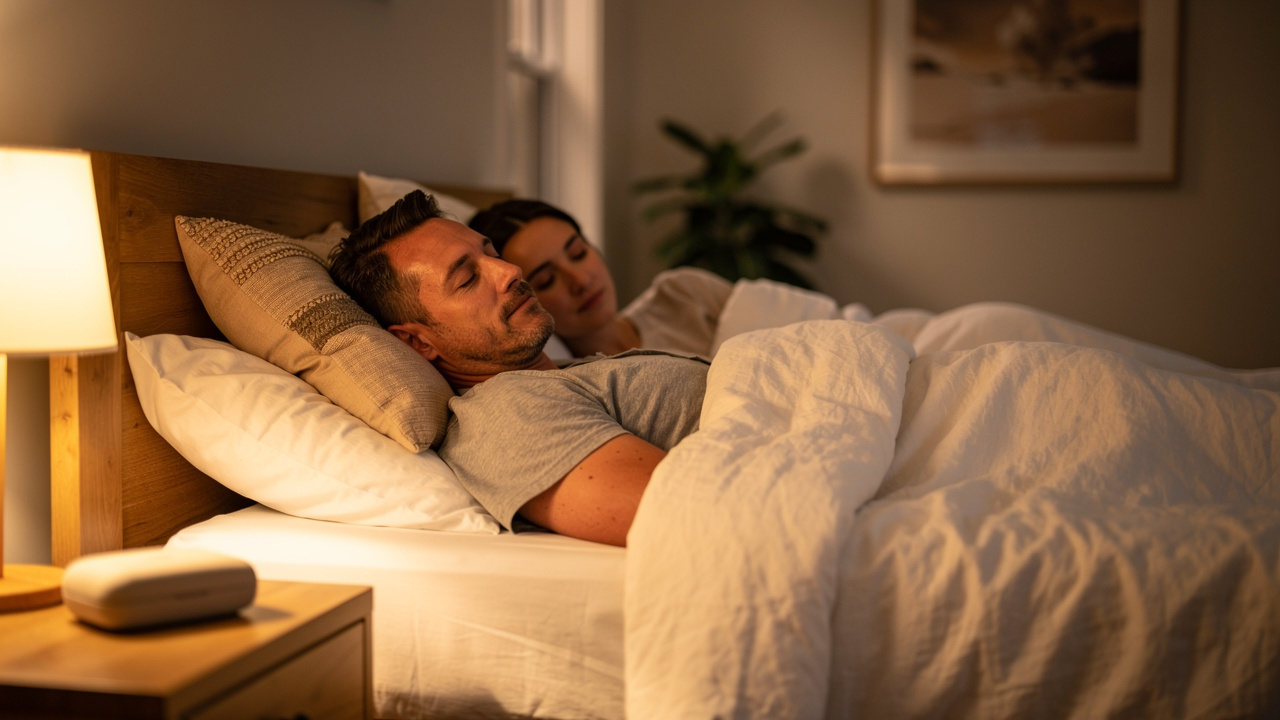
Understanding The Mechanics Of Sleep Apnoea
The physical process of sleep apnoea begins when the muscles in your throat relax as you fall asleep. For individuals with Obstructive Sleep Apnoea (OSA), these muscles relax too much, causing the soft tissues in the throat to collapse and create a physical blockage. This obstruction leads to the familiar sounds of loud snoring, and more alarmingly, episodes of gasping or choking for air. These events are different from Central Sleep Apnoea, a much rarer condition where the brain momentarily fails to send the proper signals to the muscles that control breathing.
This cycle of airway blockage causes a drop in your blood oxygen levels. Your brain detects this and sends a brief wake-up signal to your body, forcing the airway to reopen. This process, known as a micro-arousal, happens so quickly that you likely won’t remember it, but it can repeat hundreds of times a night, severely fragmenting your sleep. This constant disruption prevents your body from reaching the deep, restorative sleep stages it needs to fully recover.
Classifying The Severity Of Sleep Interruptions
Medical professionals classify the severity of sleep apnoea to determine the best course of action. This classification is based on the Apnoea-Hypopnoea Index (AHI), which measures the average number of breathing interruptions that occur per hour of sleep during a sleep study. Understanding where you fall on this scale helps clarify the seriousness of the condition and the urgency for treatment.
-
Normal Sleep: An individual experiences fewer than five breathing interruptions per hour. These minor and infrequent pauses are considered a normal part of the sleep cycle.
-
Mild Sleep Apnoea: This is diagnosed when a person has between five and fifteen interruptions per hour. Even at this mild stage, sleep can be disrupted, and subtle daytime symptoms may appear.
-
Moderate Sleep Apnoea: A diagnosis of moderate sleep apnoea means a person experiences between fifteen and thirty interruptions each hour. At this frequency, sleep is significantly fragmented, often leading to noticeable fatigue.
-
Severe Sleep Apnoea: A person with severe sleep apnoea suffers from more than thirty breathing interruptions per hour. This level indicates profound sleep disruption and significant drops in oxygen, requiring prompt medical intervention to mitigate serious health risks.
Is Your Snoring A Sign Of Something More Serious?
While snoring is often dismissed as a simple annoyance, it can be a primary indicator of sleep apnoea. However, snoring alone isn’t the whole story; it’s often accompanied by a range of other nocturnal and daytime signs that point to a more serious underlying issue. Learning to recognise these associated symptoms is the first and most important step toward seeking a proper diagnosis and getting the help you need for a restful night.
Beyond Just Snoring: Recognising The Symptoms of Sleep Apnoea
Recognising the various symptoms of sleep apnoea is key to understanding if your snoring is part of a larger problem. These signs affect you both during the night and throughout the day. Paying attention to them, or asking a partner to observe your sleep, can provide valuable clues.
Nocturnal Symptoms:
-
Loud, habitual snoring (often the most noticeable sign).
-
Noticeable pauses in breathing, followed by choking or gasping sounds as your body struggles for air.
-
Restless sleep, tossing and turning.
-
Frequent trips to the bathroom during the night (nocturia).
-
Consistently dry mouth or a sore throat upon waking.
-
Persistent morning headaches.
Daytime Symptoms:
-
Persistent fatigue and excessive daytime sleepiness, even after a full night in bed.
-
Poor concentration and difficulty focusing.
-
Memory problems.
-
Increased irritability or mood changes.
-
Decreased libido or impotence.
These symptoms highlight how deeply the condition can affect your overall wellbeing and daily functioning.
Why Snoring and Sleep Apnoea Should Not Be Ignored
It is important to understand that sleep apnoea is a medical condition, not just a personal habit or a minor inconvenience for your partner. Ignoring the signs can have a significant negative impact on your quality of life and the wellbeing of those you live with. The constant struggle for breath throughout the night prevents your body from getting the deep, restorative sleep it needs to function properly.
This lack of quality sleep is directly linked to serious long-term health complications, which will be explored in more detail later. By dismissing persistent snoring and other symptoms, you may be overlooking a condition that requires medical attention. Taking proactive steps towards getting a diagnosis is a positive move for your immediate and future health, helping you live a fuller, more energised life.
How Does Untreated Sleep Apnoea Affect Your Overall Health And Wellbeing?
Leaving sleep apnoea untreated can lead to serious health consequences that extend far beyond feeling tired. The condition significantly raises the risk of major cardiovascular problems and other chronic health issues by placing immense strain on your body every night. Additionally, the constant daytime fatigue and reduced cognitive function create major safety risks, particularly when you are driving or operating machinery at work.
The Far-Reaching Health Risks and Long-Term Complications
The health risks associated with untreated sleep apnoea are substantial and affect multiple systems in the body. The repeated drops in oxygen and the stress of frequent waking trigger the release of stress hormones, leading to a higher chance of developing high blood pressure (hypertension). According to research published by the Sleep Health Foundation, this cardiovascular strain significantly increases the risk of life-threatening events like a heart attack, stroke, or abnormal heart rhythms (arrhythmias), consistent with findings on Tirzepatide on obstructive sleep apnea-related cardiometabolic risk.
Beyond heart health, chronic sleep deprivation weakens the immune system and has been linked to other concerns like type 2 diabetes and weight gain. The constant fatigue also takes a toll on mental health, with a higher reported incidence of depression and anxiety among those with the condition. These connections show how crucial it is to manage sleep apnoea not just for better sleep, but for your entire body’s health. Over time, this cumulative stress can severely diminish your body’s ability to heal and maintain overall wellness.
“Many people underestimate the profound impact that untreated sleep apnoea can have on their entire body. It’s not just about feeling tired; it’s a systemic issue that warrants serious attention for long-term health.” – A Sleep Health Professional
Sleep Apnoea, Daytime Safety, And Driving Regulations
The daytime fatigue caused by sleep apnoea presents immediate and serious safety concerns. The overwhelming sleepiness can lead to “microsleeps“, which are brief, uncontrollable episodes of sleep that can happen while you are driving or at work. This dramatically increases the risk of motor vehicle accidents and workplace incidents. In fact, a study from the Adelaide Institute for Sleep Health found that people with untreated OSA have a two to three times higher crash risk.
Australian driving authorities, such as the Department of Transport and Main Roads in Queensland, officially recognise sleep apnoea as a medical condition that can impair your ability to drive safely. You have a legal obligation to report this condition. Failure to do so could result in a conditional licence until the condition is managed, and it could even void your insurance if you are involved in an accident. Prioritising your sleep health is not just about personal wellbeing; it’s about public safety.
How Is Sleep Apnoea Diagnosed? Understanding The Medical Pathway
A proper diagnosis for sleep apnoea follows a clear medical pathway, starting with a visit to your GP and often leading to a specialist referral. The key to confirming the condition and its severity is a sleep study, also known as a polysomnogram. This test provides objective data about what is happening to your body while you sleep, forming the basis for an effective treatment plan.
The Initial Consultation: Your GP And Sleep Specialist
The journey to diagnosing sleep apnoea starts with a visit to your trusted General Practitioner (GP). During this initial consultation, your GP will discuss your symptoms, review your medical history, and ask about your sleep habits. Information from a family member or partner who has observed your sleep can be incredibly helpful during this stage. Be prepared to discuss how often you snore, whether you stop breathing in your sleep, and how tired you feel during the day.
Based on this assessment, if your GP suspects you have a sleep disorder, they will typically refer you to a sleep specialist or sleep physician for further evaluation. This specialist has advanced training in sleep medicine and will be the one to determine if a formal sleep study is needed. This first step is essential for getting on the right track toward an accurate diagnosis and appropriate care.
The Sleep Study: Polysomnography Explained
A sleep study, or polysomnogram, is the most definitive test for diagnosing sleep apnoea. This comprehensive and non-invasive test monitors your body’s physiological activity while you are asleep. It provides the detailed data needed to confirm a diagnosis, identify the type of sleep apnoea you have, and determine its severity based on the AHI.
During the study, sensors are placed on your body to measure key metrics like brain activity, blood oxygen levels, heart rate, and breathing patterns. It also records snoring volume and body movements. These studies can be conducted conveniently at home with portable equipment or, in some cases, overnight in a specialised sleep clinic. The results give your medical team the objective information required to recommend the most effective snoring treatment Gympie and sleep apnoea treatment Gympie options.
How Can Your Gympie Dentist Help With Snoring And Sleep Apnoea?
Your Gympie dentist plays a surprisingly important role in managing sleep-disordered breathing. Dentists are often the first to identify oral signs related to sleep apnoea during routine check-ups and can offer highly effective treatment with custom-made oral appliances. At Mary St Dental Gympie, our team provides comprehensive, patient-focused care to address your sleep concerns and help you find a comfortable solution for a better night’s rest. We are proud to serve the Gympie QLD community.
Identifying Oral Signs of Sleep-Disordered Breathing
During a routine dental check-up, your dentist is in an ideal position to spot the subtle oral signs of sleep-disordered breathing. The assessment involves a thorough examination of your jaw, tongue, soft palate, and overall airway structure. Key indicators can include signs of teeth grinding (bruxism), which is often a subconscious effort to open the airway, as well as chronic dry mouth, receding gums, and heavily worn teeth.
At Mary St Dental Gympie, our comprehensive dental assessments go beyond just teeth and gums. We evaluate your jaw joint (TMJ), airway anatomy, and discuss your sleep habits and medical history. We also inquire about daytime tiredness, morning headaches, and any observations from family members about your snoring. For our younger patients, early assessment of jaw and teeth development is also important, as it can be directly linked to breathing and sleep patterns, laying the foundation for future health.
Custom Oral Appliances: A Dental Solution For Better Sleep
A custom oral appliance is a highly effective dental solution for better sleep, especially for those with mild to moderate Obstructive Sleep Apnoea. The most common type, a Mandibular Advancement Splint (MAS), is a device that looks similar to a mouthguard. It works by gently repositioning your lower jaw and tongue slightly forward, which helps to keep your airway open while you sleep. This simple adjustment is often all that is needed to prevent airway collapse and reduce snoring.
These devices are also a fantastic option for patients with severe OSA who cannot get used to a CPAP machine. The benefits of a dental sleep appliance Gympie are clear:
-
Comfortable: Custom-fitted to your mouth for optimal comfort.
-
Easy to Wear: Simple to insert and remove.
-
Portable: Compact and easy to travel with.
-
Quiet: A silent alternative to noisy CPAP machines.
-
Effective: Provides significant relief from snoring and sleep apnoea symptoms for suitable candidates.
At Mary St Dental Gympie, we use a state-of-the-art state-of-the-art 3D intraoral digital scanner for precise, comfortable impressions, making sure your custom-made device fits perfectly. We also work collaboratively with your sleep physician to help ensure this treatment is the right choice for your specific diagnosis.
Exploring Sleep Apnoea Treatment Options: Oral Appliances Vs. CPAP
When it comes to non-surgical sleep apnoea treatment, there are two primary options: CPAP therapy and oral appliances. While CPAP is often considered the most commonly prescribed and highly effective treatment for more severe cases, oral appliances provide an effective and often more comfortable solution for mild to moderate sleep apnoea or for those who find CPAP difficult to use. The best choice depends on your individual diagnosis, needs, and personal preference for comfort and consistent use.
Continuous Positive Airway Pressure (CPAP) Therapy
Continuous Positive Airway Pressure (CPAP) therapy is the most common treatment for moderate to severe Obstructive Sleep Apnoea. The system uses a machine to deliver a continuous stream of pressurised air through a mask worn over the nose or mouth. This constant airflow acts as a splint, physically holding the airway open and preventing it from collapsing during sleep.
While highly effective, CPAP therapy does have its challenges. Some users find the machine bulky, the mask uncomfortable, and the noise disruptive, which can lead to inconsistent use or struggle with consistent use. A proper mask fit and an individualised pressure setting are essential for the therapy to be successful and comfortable. Many patients explore other options for snoring treatment Gympie if they cannot adjust to CPAP.
Oral Appliance Therapy: A Comfortable Alternative
Oral appliance therapy offers a comfortable and practical alternative to CPAP for many people. It is an excellent choice for individuals diagnosed with mild to moderate OSA. Furthermore, it is a proven solution for those with severe sleep apnoea who have tried CPAP but cannot tolerate it.
The main advantages of a dental sleep appliance are patient comfort and convenience. Oral appliances are quiet, portable, and non-invasive, which greatly improves the likelihood that a person will use them every night.
Key Advantages of Oral Appliance Therapy:
-
Discreet: Small and fits entirely inside the mouth.
-
Easy to Travel With: Ideal for holidays or business trips.
-
Non-Invasive: No mask or hoses required.
-
Comfortable: Custom fit reduces discomfort and increases usage.
-
Quiet: Allows both you and your partner to sleep undisturbed.
At Mary St Dental Gympie, our focus is on providing a custom-fit appliance that is comfortable enough for consistent, long-term use. We also provide comprehensive follow-up care to make certain the device remains effective over time, helping you achieve lasting benefits for your sleep health.
Taking The Next Step: What To Expect At Mary St Dental Gympie
If you are ready to address your snoring or sleep apnoea concerns, taking the next step is simple and stress-free. At Mary St Dental Gympie, we offer a calm, professional, and supportive environment where you can explore your options without anxiety. Our team provides honest advice and personalised care to help you determine the best path forward for your sleep health and overall wellbeing. As a trusted dentist Gympie QLD, we are here for you.
Your Initial Consultation For Snoring Or Sleep Apnoea Concerns
Your initial consultation at our clinic begins with a thorough and compassionate assessment. We will evaluate your facial bone shape, jaw alignment, and overall oral health to see if a custom oral appliance is the right choice for you. We’ll discuss your specific symptoms, lifestyle, and any medical history relevant to your sleep patterns. This is a crucial step for local residents seeking snoring treatment Gympie or solutions for sleep apnoea Gympie.
It is important to note that this assessment complements, but does not replace, a formal medical diagnosis from a GP or sleep physician, and we stress the importance of this collaborative approach for your complete care. We understand dental visits can cause anxiety for some. That is why we have created an anxiety-free environment and offer sedation options, including Nitrous Oxide, for patients who may have a sensitive gag reflex or feel nervous, making your visit to our Gympie clinic as relaxed as possible.
Who Is Suitable For A Dental Sleep Appliance (And Who May Not Be)
A custom dental sleep appliance is an excellent treatment for many, but it is not suitable for everyone. This therapy is most effective for individuals with mild to moderate Obstructive Sleep Apnoea and for those who snore heavily but do not have OSA. It is also a valuable option for patients with severe OSA who cannot tolerate CPAP.
However, it may not be recommended for individuals with severe sleep apnoea who have not had a medical consultation, or for those with certain jaw joint issues (like severe TMJ dysfunction), significant gum disease, too few natural teeth for support, or complex medical needs that require other interventions. We are committed to providing honest advice designed specifically for the residents of Gympie and surrounding areas. We also offer emergency and same-day dental care for any urgent adjustments or repairs your appliance might need, ensuring continuous support for your mandibular advancement splint Gympie.
Reclaiming Your Rest: A Path to Better Sleep in Gympie
Don’t let persistent snoring or the symptoms of sleep apnoea diminish your quality of life. Taking proactive steps to manage these conditions is one of the most important things you can do for your long-term health. The most effective care comes from a multidisciplinary approach that includes your GP, a sleep specialist, and a knowledgeable dentist working together to provide comprehensive sleep apnoea treatment Gympie.
At Mary St Dental Gympie, we are dedicated to supporting our local Gympie community with compassionate care and advanced dental solutions for sleep-disordered breathing. We aim to be your trusted partner for snoring treatment Gympie and dental sleep appliances Gympie. Taking that first step towards a healthier, more restful life is as simple as discussing your concerns with a trusted healthcare professional. Contact us today to learn how we can help you on your path to better sleep.
Frequently Asked Questions
Question: Can children get sleep apnoea, and how is it different from adults?
Answer: Yes, children can get OSA, often caused by enlarged tonsils and adenoids rather than lifestyle factors. Symptoms may present as restless sleep, chronic mouth breathing, and even daytime behavioural issues that can sometimes be mistaken for ADHD. Early dental assessments can help monitor jaw development linked to breathing problems.
Question: Is it possible to treat sleep apnoea without using a CPAP machine?
Answer: Yes, for many people it is. Lifestyle adjustments like weight loss can help in mild cases. Custom oral appliances, like the mandibular advancement splints offered at Mary St Dental Gympie, are a highly effective alternative for mild to moderate OSA or for patients who cannot tolerate CPAP.
Question: How often do I need to wear an oral appliance for it to be effective?
Answer: To get consistent benefits and prevent the return of symptoms, you should wear your oral appliance every night while you sleep. Regular use is key to helping to keep your jaw and tongue remain in the correct position to maintain an open airway throughout the night, leading to lasting improvements in your sleep.
Question: Can teeth grinding (bruxism) be related to sleep apnoea?
Answer: Yes, there is a very strong connection between the two. Many people with sleep apnoea clench or grind their teeth as their body subconsciously attempts to tighten muscles and open the airway during a breathing obstruction. This can cause significant tooth wear and jaw pain, making a dentist essential for managing both conditions.
Question: Do I need a referral to see a dentist for snoring or sleep apnoea concerns at Mary St Dental Gympie?
Answer: No, you do not need a referral to schedule a consultation with us at Mary St Dental Gympie. While the formal medical diagnosis of sleep apnoea must come from a GP or sleep physician, we can perform an initial assessment of your oral health and work collaboratively with your medical team to make sure you receive comprehensive care.